Reasons Should Using Credit Cards: 5 Benefits for Smart Financial Management
July 16, 2026 · Alexander Whaley
I once believed credit cards were risky and could lead to debt problems. That changed when I learned how they actually work and their benefits. Using credit cards for everyday purchases offers better consumer protection, helps build your credit score, and can earn valuable rewards like cash back or travel points.
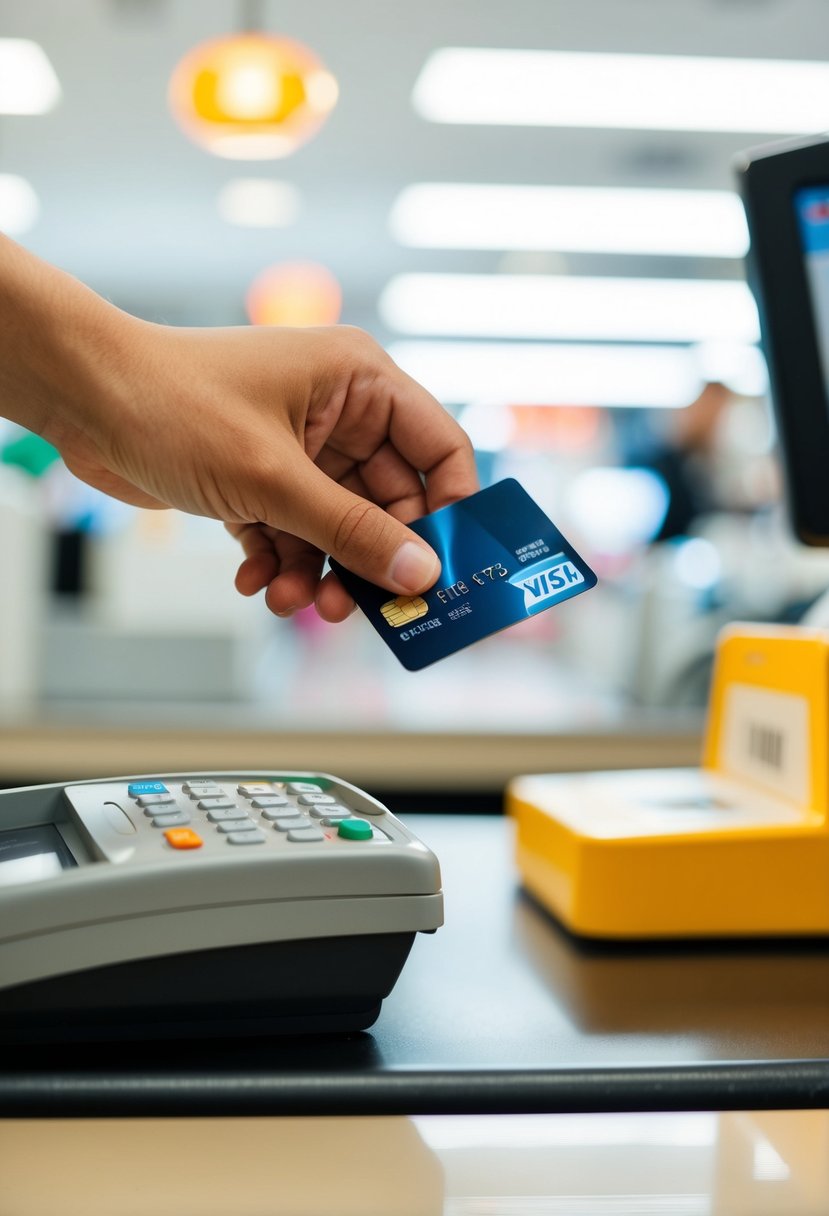
Credit cards aren’t just convenient for online shopping and emergencies. They create a buffer between your bank account and potential fraud. When I use my credit card instead of debit, I worry less about fraud liability and enjoy extra perks like extended warranties on purchases.
I’ve found that nearly every purchase can go on a credit card without going into debt. The key is treating it like cash and paying the balance in full each month. This approach has transformed my finances while providing security and benefits that cash and debit cards simply can’t match.
Key Takeaways
- Credit cards offer stronger fraud protection and less liability than debit cards or cash payments.
- Using credit cards responsibly builds your credit history and can improve your credit score over time.
- Credit card rewards programs provide tangible benefits like cash back, travel points, and purchase protections on everyday spending.
The Basics of Credit Cards
Credit cards offer powerful benefits when used correctly. I believe understanding how they work is essential before making them part of your financial toolkit.
Understanding Credit Cards Vs. Debit Cards
When I use a credit card, I’m borrowing money from the bank that issued the card. I can spend up to my credit limit and pay it back later. The key difference is that I’m using the bank’s money first, not my own.
With a debit card, I’m spending my own money directly from my checking account. The funds are immediately withdrawn when I make a purchase.
Credit cards come with consumer protections that debit cards often lack. If someone steals my credit card information, I’m typically not responsible for fraudulent charges.
I find credit cards more helpful for large purchases, while debit cards are useful for everyday spending when I want to avoid debt.
Key Features of Credit Cards
Most credit cards offer a grace period of about 21-25 days. This means I can pay off my balance in full before interest kicks in.
Credit cards typically charge interest rates (APR) between 18-24% if I carry a balance. This is why I always aim to pay in full each month.
Many cards offer rewards programs that give me:
- Cash back (typically 1-5%)
- Travel points
- Store discounts
Annual fees vary widely. I can find many cards with no annual fee, while premium cards might charge $95-$550+ for enhanced benefits.
Most cards include purchase protection, extended warranties, and travel insurance – valuable benefits I wouldn’t get using cash.
How Credit Cards Affect Your Credit Score
When I use credit cards responsibly, they become my strongest financial tool for building credit. Payment history makes up 35% of my credit score, so paying on time every month is crucial.
Credit utilization (how much of my available credit I’m using) accounts for 30% of my score. I try to keep this under 30% for the best impact.
Having a longer credit history improves my score. This is why I keep my oldest cards open, even if I don’t use them frequently.
New applications cause temporary drops in my score from hard inquiries. I limit how often I apply for new cards to minimize this effect.
When I make consistent, on-time payments, my credit score gradually improves, helping me qualify for better loans and lower interest rates in the future.
Benefits of Using Credit Cards
Credit cards offer several advantages that can improve your financial life when used responsibly. They provide opportunities to earn rewards while offering important protections and making everyday transactions more convenient.
Earning Rewards and Cash Back
One of the biggest perks of using credit cards is the ability to earn rewards or cash back on purchases I’d make anyway. Many cards offer:
- 1-5% cash back on everyday spending
- Bonus points in specific categories like groceries, gas, or dining
- Welcome bonuses worth hundreds of dollars when meeting initial spending requirements
I can redeem these rewards points for statement credits, travel bookings, gift cards, or merchandise. Different rewards programs have varying redemption options and values.
The key is choosing a card that aligns with my spending habits. For example, if I travel frequently, a card with travel rewards and no foreign transaction fees makes sense. For everyday use, a flat-rate cash back card might be more practical.
Leverage Consumer Protections
Credit cards provide significant consumer protections that aren’t available when using cash or debit cards. When I make purchases with credit cards, I receive:
- Zero liability for fraudulent charges
- Extended warranties on eligible purchases
- Purchase protection against damage or theft
- Price protection on certain cards
- Ability to dispute charges for undelivered or defective items
These protections act as a buffer between my bank account and potential problems. If someone steals my card information, my actual money remains safe while the dispute is resolved.
For online shopping, this added layer of security is invaluable. I can confidently make purchases knowing I have recourse if something goes wrong with the transaction.
Enhancing Convenience and Cash Flow
Credit cards offer flexibility in managing my cash flow and convenience that other payment methods can’t match. With credit cards:
- I can make purchases before my paycheck arrives
- Most cards offer a grace period of 21+ days before interest applies
- I can track spending through detailed monthly statements
- Automatic payments ensure I never miss a due date
For emergencies or unexpected expenses, credit cards provide immediate access to funds. This eliminates the need to keep large amounts of cash on hand.
Credit cards also simplify tracking purchases through categorized statements, making budgeting easier. Many card issuers provide spending analysis tools that help me understand where my money goes each month.
Strategic Credit Card Use

Using credit cards strategically can improve your financial health while providing valuable benefits. The key is knowing how to leverage these tools without falling into debt traps.
Building a Positive Repayment History
Your payment history makes up about 35% of your credit score. I always make sure to pay my bills on time each month. Even if I can only make the minimum payment, I never miss a due date.
Setting up automatic payments helps me avoid late fees and negative marks on my credit report. I find that paying on time each month is one of the simplest ways to build good credit.
When I first started using credit cards, I set calendar reminders a few days before each due date. This habit helped me establish a solid repayment history.
Credit card companies report your payment activity to credit bureaus. By consistently paying on time, I’ve improved my credit score significantly over the years.
Maximizing Benefits Without Incurring Debt
I use my credit cards for all regular purchases I would make anyway – groceries, gas, and utilities. This helps me rack up rewards without changing my spending habits.
The key is paying off the balance in full each month. I never carry a balance when I can avoid it, which means I get all the benefits without paying interest.
I choose cards with rewards that match my spending patterns:
- Cash back on groceries and gas
- Travel points for frequent trips
- No annual fee cards for occasional use
I also take advantage of sign-up bonuses when they make sense for my situation. Sometimes I can earn hundreds of dollars in rewards just by meeting a minimum spending requirement with my normal purchases.
Understanding and Utilizing Credit Utilization
Credit utilization refers to how much of my available credit I’m using at any time. I try to keep this ratio below 30% to positively impact my credit score.
For example, if I have a $10,000 credit limit, I aim to keep my balance under $3,000. Lower utilization ratios signal to lenders that I’m not dependent on credit.
I track my utilization across all cards using a simple spreadsheet. When I notice my utilization climbing, I make extra payments mid-cycle to bring it down.
Another strategy I use is limiting the number of credit cards I apply for. Too many applications can temporarily lower my score, so I space out new card applications by at least six months.
Requesting credit limit increases (when they don’t require a hard credit pull) helps lower my utilization ratio without affecting my spending habits.
Advanced Credit Card Perks
Credit cards offer more than just convenient payment options. I’ve found that premium cards include valuable benefits that can save money and provide peace of mind for everyday purchases and travel.
Travel Benefits Exclusive to Credit Cards
Many premium credit cards include travel insurance that can be worth hundreds of dollars. I never pay extra for rental car coverage when my credit card already provides it.
Trip cancellation insurance is another valuable perk. If I need to cancel a trip due to illness or emergency, my card may reimburse non-refundable expenses up to a certain amount.
Airport lounge access is one of my favorite benefits. Instead of sitting at crowded gates, I enjoy:
- Comfortable seating
- Complimentary food and drinks
- Wi-Fi access
- Private workspaces
Some cards even offer TSA PreCheck or Global Entry fee credits, saving me $85-$100 every few years while making airport security much faster.
Security Features to Protect Your Finances
Credit cards provide superior fraud protection compared to debit cards. My liability for fraudulent purchases is typically capped at $50, and many issuers offer zero liability policies.
I appreciate the real-time fraud monitoring that alerts me to suspicious activity. Many cards now use AI to detect unusual spending patterns and can freeze accounts instantly if fraud is suspected.
Virtual card numbers are another security innovation I use for online shopping. These temporary numbers protect my actual account details when making purchases on websites I don’t fully trust.
Extended warranties double manufacturer coverage on eligible purchases, saving me from buying expensive protection plans. This benefit has saved me hundreds on electronics repairs.
Special Offers and Sign-On Bonuses
Sign-on bonuses provide exceptional value when opening new accounts. I’ve received cash bonuses worth $200+ simply for meeting minimum spending requirements in the first few months.
Travel rewards cards often offer the most impressive bonuses:
- 50,000+ airline miles (enough for a round-trip domestic flight)
- Free hotel nights
- Statement credits for travel purchases
Many cards feature rotating special offers with select merchants. I regularly check my card’s app or website for deals like:
| Offer Type | Typical Savings |
|---|---|
| Dining credits | 10-20% back |
| Retail discounts | $5-25 off purchases |
| Subscription credits | 100% back on services like streaming |
These targeted offers can offset most or all of the annual fee on premium cards, making luxury perks essentially free.
Frequently Asked Questions
Credit cards offer many benefits when used wisely, but they also come with important considerations. The key is understanding how they work and when to use them.
What are the benefits of using a credit card responsibly?
Using credit cards responsibly can significantly improve your financial life. Credit cards allow you to build credit history, which is crucial for future loans like mortgages or car financing.
I find that credit cards make tracking expenses easier since all purchases appear on monthly statements. This helps with budgeting and monitoring spending habits.
Many cards offer rewards or cash back programs that can save you money on everyday purchases. These rewards can add up to significant savings over time.
Credit cards also provide purchase protection and fraud security that cash payments don’t offer.
How can credit cards impact your credit score?
Credit cards can be powerful tools for building a positive credit history. Making on-time payments consistently shows lenders you’re reliable, which boosts your score.
Keeping your credit utilization ratio (the percentage of available credit you’re using) low also improves your score. I recommend keeping it under 30% of your total available credit.
Late payments or maxing out cards can damage your credit score significantly. These negative marks can stay on your report for up to seven years.
Having a longer credit history generally helps your score, so keeping older accounts open can be beneficial even if you don’t use them often.
What should be considered when choosing a credit card for everyday purchases?
The annual percentage rate (APR) should be a primary consideration. Lower rates mean less interest paid if you carry a balance.
I always look at fee structures—annual fees, late payment fees, and foreign transaction fees can add up. Some cards offer no annual fees which is great for occasional users.
Consider reward programs that match your spending habits. If you travel frequently, airline miles might be valuable. For everyday shoppers, cash back on groceries or gas might be better.
Look at additional perks like purchase protection, extended warranties, or travel insurance. These benefits can save money in unexpected situations.
What are the potential drawbacks of relying heavily on credit cards?
The biggest risk is accumulating debt that becomes difficult to manage. High-interest charges can quickly compound and create financial stress.
Using too many cards can make tracking payments complicated, increasing the chance of missed payments and fees. I’ve seen how this can damage credit scores.
Some people find that using credit cards leads to overspending compared to using cash. The psychological disconnect can make it easier to make impulse purchases.
Credit cards may charge various fees that add up over time—late payment fees, cash advance fees, and balance transfer fees all reduce your available funds.
How does the interest rate on a credit card affect its overall cost?
Interest rates directly impact how much you’ll pay beyond your purchases when carrying a balance. Even a few percentage points can make a significant difference.
For example, a $3,000 balance at 15% APR costs about $450 in interest over a year. The same balance at 25% APR would cost around $750—a $300 difference.
I’ve noticed that credit card interest compounds, meaning you pay interest on previous interest charges too. This can cause debt to grow exponentially if only minimum payments are made.
Many cards offer introductory 0% APR periods, which can help with large purchases or balance transfers if paid off before the promotional period ends.
When should you avoid using a credit card?
Adding more credit card charges can worsen your financial situation if you’re already struggling with debt. In this case, cash or debit might be better options until existing debt is managed.
I advise against using credit cards for cash advances. They typically come with higher interest rates and start accruing interest immediately.
Paying with cash or other methods might save you money when merchants charge extra fees for credit card transactions.
Using credit cards for gambling or speculative investments is risky and can lead to serious financial problems. These activities should be funded with money you can afford to lose.