Pros Cons Of Cash Back Credit Cards According To Ramit Sethi: Expert Analysis for Smart Financial Decisions
July 18, 2026 · Alexander Whaley
Every time I go to check out at a store, I’m faced with the same question: which credit card should I swipe? Cash-back credit cards have become increasingly popular for everyday shoppers like me, offering a percentage back on purchases. Personal finance expert Ramit Sethi explains that cash-back credit cards provide a simple way to earn rewards on everyday spending. But, he also cautions that these cards also come with important considerations that can impact your financial goals.

I’ve found that choosing between the many available options can feel overwhelming. Ramit points out that cash-back cards often feature low annual fees and attractive sign-up bonuses, making them appealing for beginners. However, he also cautions that these cards work best when you pay your balance in full each month. Otherwise, interest charges quickly erase any rewards you’ve earned.
For those focused on simplicity in personal finance, Sethi suggests that cash-back cards are often better than travel cards for ease of use. I appreciate his practical advice about starting with just one general rewards card that can cover most purchases, rather than juggling multiple cards and complicating your financial life.
Key Takeaways
- Cash-back credit cards offer straightforward rewards on everyday purchases but require full monthly payments to be truly beneficial.
- Having fewer credit cards simplifies tracking spending and helps build better financial habits.
- The best approach is starting with one general rewards card before considering specialized cards for specific spending categories.
Understanding Cash Back Credit Cards
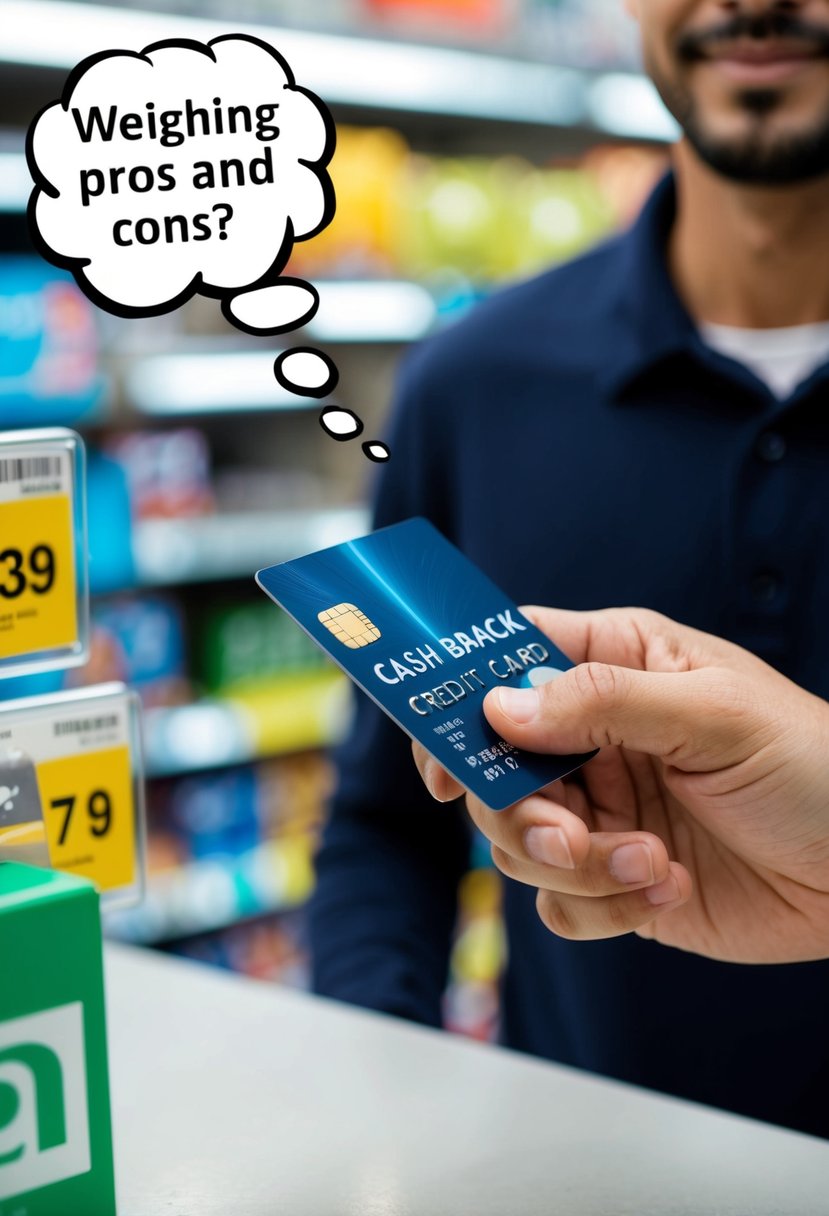
Cash back credit cards offer a straightforward way to earn rewards on everyday purchases. They return a percentage of what you spend back to you, essentially giving you a discount on everything you buy.
What Are Cash Back Credit Cards?
Cash back credit cards are financial products that reward you for your spending by giving you back a percentage of your purchases as cash. Unlike travel cards that offer miles or points, these cards provide actual money you can use however you want.
The typical cash back rate ranges from 1% to 2% on all purchases, though some cards offer higher rates in specific categories like groceries or gas. For example, the Fidelity 2% cash back card gives you a flat 2% on everything you buy.
These cards often come with other perks too, such as:
- Low or no annual fees
- Introductory 0% APR periods
- Sign-up bonuses
- No foreign transaction fees
How Cash Back Rewards Work
The mechanics of cash back rewards are simple. When I make a purchase with my cash back card, the credit card company automatically calculates my reward based on the purchase amount and the card’s reward rate.
For example, if I spend $100 at the grocery store using a card with 2% cash back, I’ll earn $2 in rewards. These rewards typically appear on my statement after the billing cycle closes.
I can redeem my cash back in several ways:
- Statement credit: Applied directly to my balance
- Direct deposit: Transferred to my bank account
- Gift cards: Sometimes available at a discount
- Check: Mailed to my home address
The beauty of cash back lies in its simplicity. There’s no need to calculate point values or figure out redemption options – it’s just real money back in my pocket from everyday shopping.
Advantages of Cash Back Credit Cards

Cash back credit cards offer tangible benefits that can improve your everyday finances. They provide rewards on purchases you already make and help establish good financial habits.
Earning Rewards on Everyday Purchases
Cash back credit cards turn regular spending into actual money in your pocket. When you buy groceries, gas, or pay monthly bills, you automatically earn a percentage back. Fidelity’s 2% cash back card offers a straightforward approach – you get 2% back on everything you buy.
Some cards offer higher percentages in specific categories. I might get 5% back on groceries, 3% on gas, and 1% on everything else. This tiered structure rewards smart spending.
The beauty of these cards is that they work with purchases you’re already making. I don’t need to change my spending habits to benefit. For example, if I spend $1,000 monthly on a 2% card, I’ll earn $240 annually without extra effort.
Simplifying Budget and Savings
Cash back cards provide clear financial benefits that are easy to understand. Unlike complicated point systems, I know exactly what I’m getting with cash back rewards.
The simplicity helps with budgeting. I can track exactly how much I’m earning and apply it directly to my savings goals. Some cards even let me automatically deposit rewards into my savings account.
These cards also provide detailed purchase records. I can review my statements to identify spending patterns and adjust my budget accordingly. This visibility helps me manage my money more effectively.
The straightforward nature of cash rewards means I can easily factor them into my financial planning, creating a more accurate picture of my finances.
Boosting Financial Health
Cash back cards can actively improve financial responsibility. The reward structure encourages me to use my card for planned purchases rather than impulsive spending.
These cards promote responsible spending by providing clear incentives for everyday purchases. I’m more likely to stick to my budget when I know each purchase contributes to my rewards.
When used properly, these cards help build credit history while generating cash rewards. This dual benefit strengthens my overall financial stability.
I find that tracking my rewards gives me a tangible sense of financial progress. Seeing my cash back accumulate provides peace of mind and reinforces positive money behaviors. Many people underestimate how these small rewards can add up to meaningful savings over time.
Disadvantages of Cash Back Credit Cards

While cash back credit cards offer rewards, they come with several drawbacks that could impact your financial health. These cards may lead to increased debt, affect your credit score, and encourage unnecessary spending.
Risk of Increased Debt
Cash back credit cards can become debt traps if not managed carefully. Many people focus on the rewards while ignoring the high interest rates, which typically range from 16% to 26% APR.
I’ve noticed that when people chase rewards, they sometimes carry balances from month to month. This quickly negates any cash back benefits. For example, a card offering 2% cash back while charging 20% interest creates a net loss of 18% if you don’t pay in full.
Credit card debt can snowball alongside other financial obligations like student loans. According to Ramit Sethi, many people accumulate debt because they’re enticed by rewards without considering the potential consequences.
Potential Impact on Credit Score
Using cash back cards can affect your credit score in several ways. High balances relative to your credit limits increase your credit utilization ratio, which typically accounts for 30% of your score.
I recommend keeping your utilization below 30% to avoid negative impacts. For instance, if you have a $10,000 limit, try not to carry more than $3,000 in balances.
Applying for multiple cash back cards to maximize different reward categories can also trigger hard inquiries on your credit report. Each inquiry may lower your score by 5-10 points temporarily.
Late payments on these cards—even when you’re focused on earning rewards—can damage your credit history for up to seven years, making future loans more expensive.
Temptation and Overconsumption
Cash back programs are designed to encourage spending, often leading to overconsumption and materialism. I’ve found that reward structures can subtly influence purchasing decisions in problematic ways.
Sethi points out that these cards encourage extra spending, pushing consumers toward unnecessary material purchases and luxuries. The psychology is clever: you feel like you’re saving money while actually spending more.
Categories with higher cash back percentages (like dining or travel) might tempt you to spend more in those areas. Before you know it, you’re eating out more frequently just to earn that 3% back.
Maintaining discipline with these cards requires consistent awareness. Ask yourself: “Would I buy this if I weren’t earning cash back?” If the answer is no, it’s probably an unnecessary purchase.
Strategies for Maximizing Cash Back Rewards
Getting the most from cash back credit cards requires strategic use and careful planning. The right approach can turn everyday purchases into significant rewards while avoiding costly mistakes.
Optimizing Card Usage for Best Returns
I recommend using different cards for different spending categories to maximize returns. Some cards offer 5% on groceries while others might give 3% on gas. Create a simple system – I keep a note in my phone listing which card to use where.
Stack your rewards by timing purchases with bonus periods. Many cards offer rotating categories with boosted cash back percentages.
Pay attention to sign-up bonuses when selecting new cards. These can provide substantial initial returns if you meet spending requirements.
Consider using your cash back card for regular monthly bills like utilities or subscriptions. This turns necessary expenses into rewards with no extra spending.
For major purchases, I first check if any of my cards offers extra cash back in that category. Even a 1% difference adds up on large amounts.
Avoiding Common Pitfalls
Never carry a balance on cash back cards. Interest charges will always outweigh any rewards earned. According to Ramit Sethi, this is the number one mistake people make with reward cards.
Watch out for annual fees. I calculate if my typical cash back exceeds the fee – if not, I consider a different card.
Avoid chasing too many cards at once. This can damage your credit score and complicate your financial planning.
Don’t let rewards tempt you into unnecessary spending. Cash back should enhance your financial stability, not undermine it.
Be aware of reward expiration dates and redemption minimums. I set calendar reminders to ensure I’m using my rewards before they expire.
Track your spending categories to ensure you’re using the optimal card for each purchase. This simple habit maximizes your returns with minimal effort.
Frequently Asked Questions
Cash back credit cards come with specific details that consumers should understand before applying. These cards vary in terms of fees, rewards structures, and redemption processes that can affect their overall value.
What are the typical annual fees associated with cash back credit cards?
Many basic cash back credit cards offer no annual fee, making them an attractive option for everyday users. However, premium cash back cards with higher rewards rates may charge annual fees ranging from $95 to $250.
Some cash-back cards carry annual fees that can reduce the net benefit of your rewards. I recommend calculating whether your expected cash back will exceed any annual fee before applying.
How might cash back credit cards impact one’s credit score?
Applying for a new cash back credit card will typically cause a temporary dip in your credit score due to the hard inquiry. However, using the card responsibly can improve your score over time.
Keeping your utilization ratio low (under 30% of your credit limit) and making on-time payments are crucial for maintaining a good credit score. Having more available credit can also improve your credit utilization ratio if you don’t increase your spending.
What is the redemption process like for cash back on credit cards?
Cash back redemption is typically straightforward and automatic. As Ramit Sethi points out, one of the pros of cashback cards is their simplicity – you don’t have to do anything special to get your cash back.
Most issuers offer multiple redemption options. These include statement credits, direct deposits to your bank account, gift cards, or merchandise. Some cards allow redemption at any amount, while others require you to reach a minimum threshold (typically $25).
Are there limitations on how much cash back you can earn?
Some cash back credit cards cap the amount of cash back you can earn in specific categories. For example, a card might offer 5% cash back on groceries but limit this to $2,500 in spending per quarter.
Other cards may have tiered structures where the cash back rate decreases after you reach certain spending thresholds. I recommend reading the fine print to understand any earning limitations before choosing a card.
How do cash back credit card rewards compare to points-based rewards?
Cash back rewards offer simplicity and flexibility since cash can be used for anything. Points-based systems might provide better value when redeemed for travel, but they require more planning and research.
Many experts, including Ramit Sethi, note that people often overestimate how much they spend in bonus categories. This makes a flat 2% cash back more valuable for many consumers than complicated points schemes.
What are the common spending categories that earn higher cash back percentages?
Common bonus categories for higher cash back rates include groceries, gas, dining, and travel. These typically offer 3-5% cash back compared to the standard 1-2% on other purchases.
Some cards feature rotating categories that change quarterly, offering higher cash back rates in different spending areas throughout the year. The most valuable cash back cards align with your biggest spending categories for maximum return.