Ways Credit Cards Make You Spend More: Hidden Tactics That Impact Your Finances
August 7, 2026 · Alexander Whaley
Have you ever noticed that you spend money faster when you use plastic instead of cash? I used to think my credit card was just a convenient payment tool. Then I realized it was subtly changing my spending habits. Studies show people typically spend more money when using credit cards compared to cash. This happens because cards reduce the “pain of paying” and create a psychological disconnect between purchases and their actual cost. This effect isn’t just my imagination – research backs it up.

Credit cards make spending feel less real. When I swipe my card or tap to pay, I don’t immediately see my bank account shrink like I would when handing over cash. This payment-consumption disconnect means I’m more likely to make impulse purchases or spend more on everyday items. Plus, those enticing reward programs can actually encourage me to spend more just to earn points or cashback.
Key Takeaways
- Credit cards activate reward centers in our brains, making purchases feel more pleasurable and less painful than when using cash.
- The delayed payment feature of credit cards creates a disconnect between buying and paying, leading to increased spending.
- Reward programs and special offers can encourage unnecessary purchases and higher spending amounts just to earn points or cashback.
The Psychology of Spending with Credit Cards
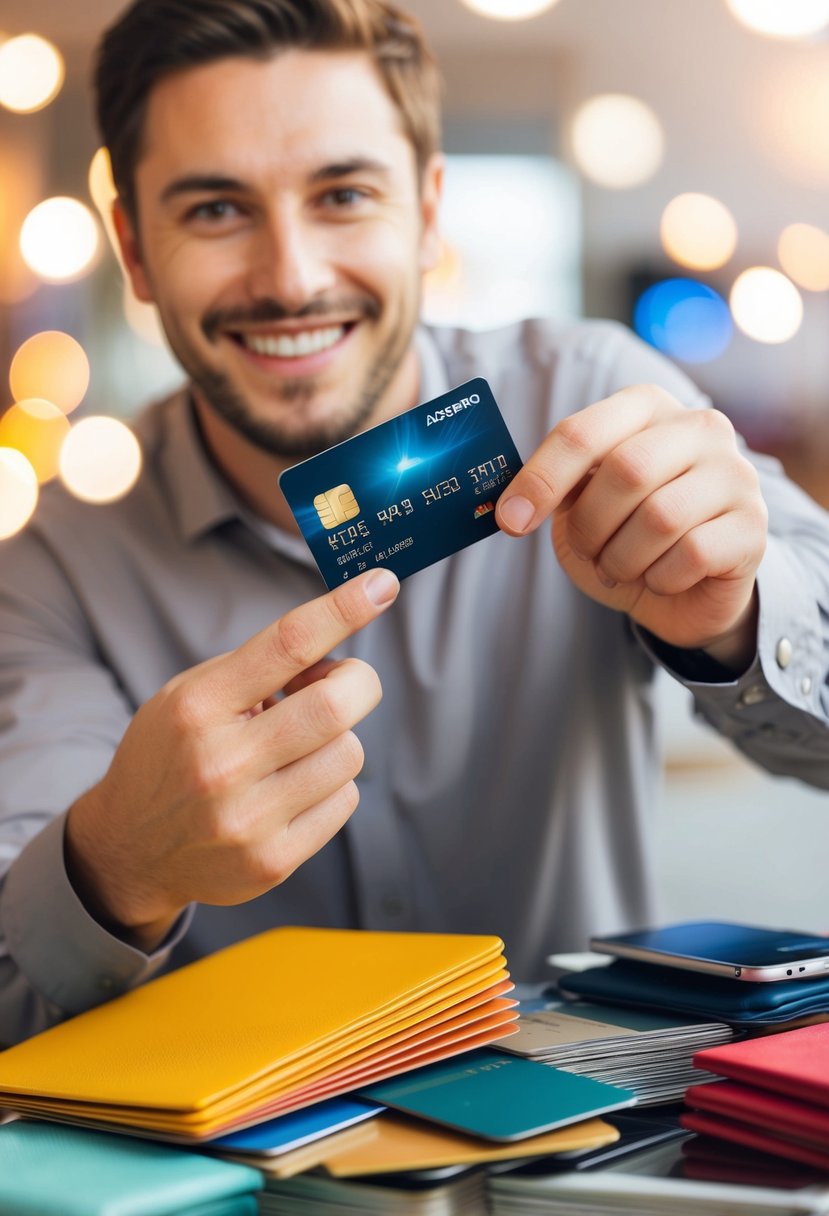
Credit cards change how our brains process purchases in ways that often lead to increased spending. The psychological mechanisms behind this phenomenon are both fascinating and concerning for consumers trying to manage their finances.
Overcoming the Pain of Payment
When I pay with cash, I feel an immediate loss—what experts call the “pain of payment.” Credit cards disconnect this pain from the pleasure of buying, creating a dangerous separation. This disconnection makes spending feel less real and more abstract.
Research shows that people typically spend 12-18% more when using credit cards versus cash. This happens because the transaction feels less painful at the moment of purchase.
The physical act of handing over cash triggers stronger loss aversion in our brains than the simple swipe or tap of a card. When I use credit, my brain doesn’t register the same financial warning signals that come with seeing my cash disappear.
Credit card statements arrive weeks after purchases, further delaying the pain and disconnecting it from the joy of buying.
Reward Networks and Dopamine Release
Credit cards don’t just reduce pain—they also actively stimulate pleasure. Credit cards activate reward centers in our brains, essentially “stepping on the gas” of our spending impulses.
When I make purchases with my credit card, my brain releases dopamine—the same neurotransmitter associated with pleasure, reward, and addiction. This chemical release creates a subtle high that can become associated with spending.
Credit card companies enhance this effect through reward programs and points systems. These rewards create a gamification effect, turning spending into a game where I’m constantly trying to earn more points or reach the next reward tier.
The colorful cards, special offers, and reward notifications are all carefully designed to trigger these dopamine responses. Each time I receive notification of points earned, my brain experiences a small reward, reinforcing the behavior.
This reward cycle can lead to purchasing items I don’t need or spending more than planned just to experience the dopamine hit associated with card use.
Tactical Marketing and Credit Card Rewards
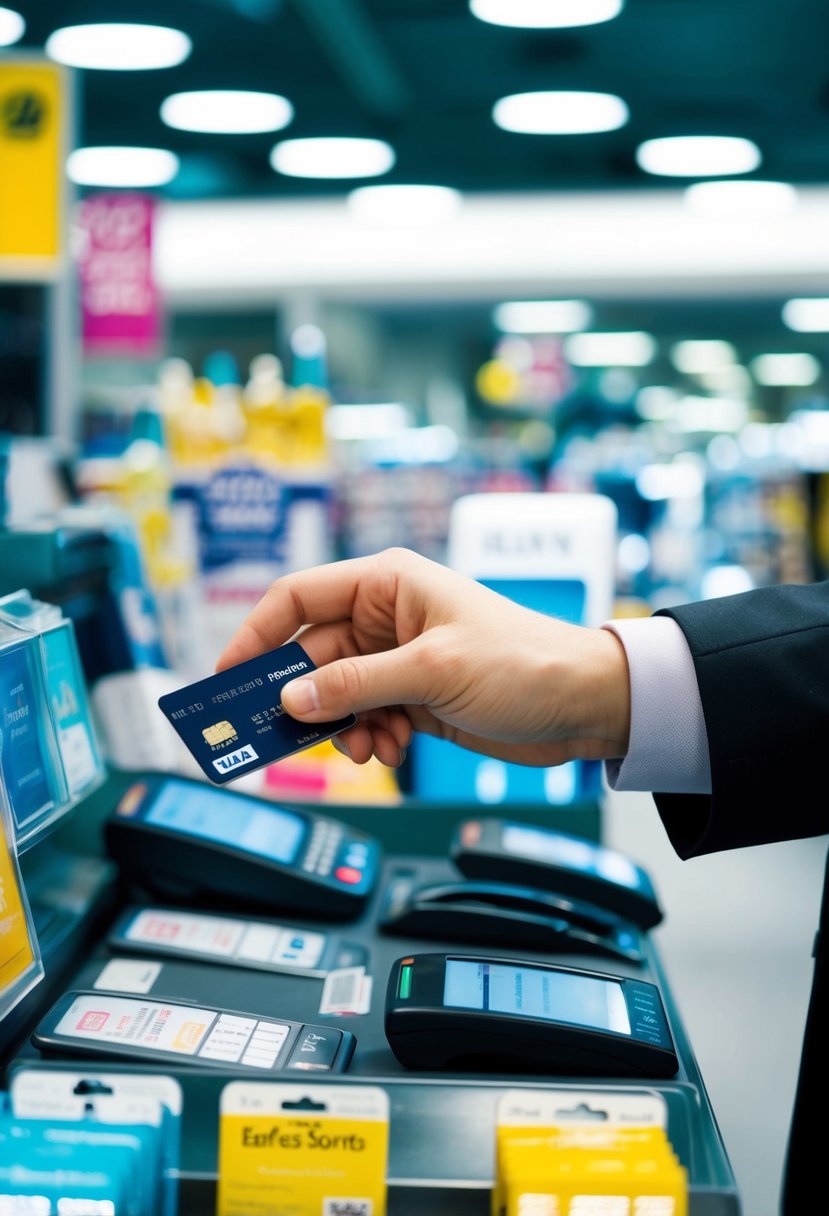
Credit card companies use sophisticated tactics to encourage spending through rewards programs and enticing offers. These strategies tap into our psychological desire for rewards and can activate the reward center in our brains, making us more likely to spend.
Captivating Credit Card Offers
Credit card companies excel at creating irresistible offers to attract new customers. The most effective tactic I’ve seen is the sign-up bonus, where companies offer large cash rewards or thousands of points just for opening an account and spending a certain amount within the first few months.
These sign-up bonuses work because they create a sense of urgency and exclusivity. “Limited time offers” make me feel I might miss out on something valuable if I don’t act quickly.
Companies also use targeted marketing based on my spending habits and credit score. They might send pre-approved offers that make me feel specially selected, appealing to my desire for status and recognition.
Direct mail campaigns often highlight the perks that align with my lifestyle, making the card seem perfectly tailored to my needs.
Calculating Cash Back and Points
Cash back and points systems are cleverly designed to make me spend more while feeling like I’m saving money. I might get excited about earning 5% cash back in rotating categories, but this often leads me to purchase items I wouldn’t otherwise buy.
Points systems can be intentionally complex, making it difficult to determine the actual value of rewards. When I have to calculate conversion rates between points and dollars, I might overestimate the benefits I’m receiving.
Many rewards programs include tiered spending levels that encourage me to “spend just a little more” to reach the next reward threshold. This can push me beyond my budget.
The CFPB has warned about “bait-and-switch” tactics where companies devalue rewards after customers have committed to the card, changing the terms of cash back or points programs.
Credit card companies often partner with retailers to offer special discounts, creating a false sense of savings even when I’m spending more overall.
Credit Cards and the Illusion of Enhanced Spending Power
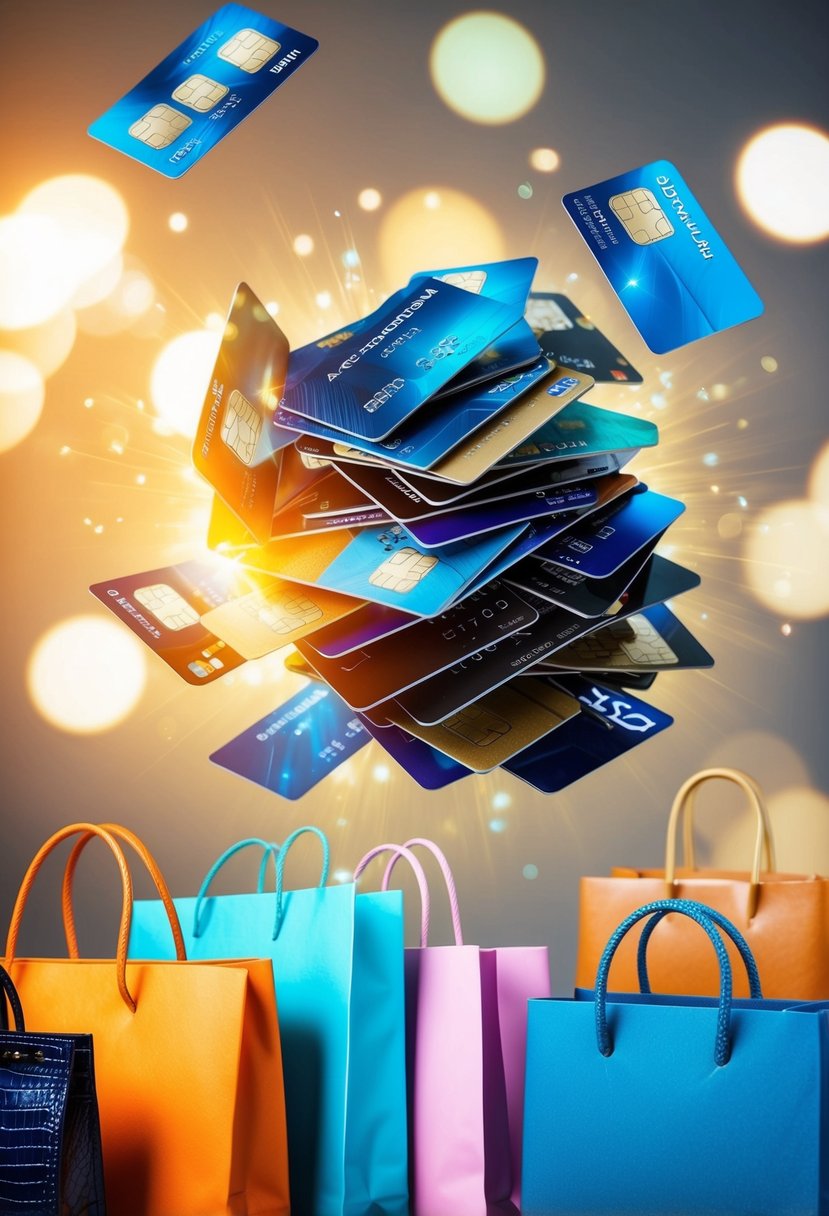
Credit cards create a dangerous disconnect between spending and payment, making it easy to overspend. They trick our brains into focusing on rewards rather than costs, which can lead to financial trouble.
Understanding Credit Utilization
Credit utilization measures how much of your available credit you’re using. When I swipe my card for a $500 purchase against a $1,000 limit, I’ve used 50% of my available credit. This ratio directly impacts my credit score.
Many experts recommend keeping utilization below 30% of your limit. Higher percentages can harm your credit score and signal financial distress to lenders.
Credit cards create an illusion that I have more money than I actually do. When my limit increases, research shows I’m likely to spend more simply because I can.
This psychological trap works because:
- The physical pain of paying with cash is removed
- The spending limit feels like “my money”
- Payments are delayed, disconnecting purchase from payment
The Impact of High Interest Rates on Spending
Credit card interest rates typically range from 18% to 25% or higher. These rates only apply when I carry a balance, but that happens more often than most people plan for.
The hidden psychology behind credit cards triggers reward centers in our brains when we make purchases. This makes spending feel good in the moment, but the interest charges come later.
A $1,000 balance at 20% APR will cost an extra $200 per year if not paid off. This creates a dangerous cycle where purchases become much more expensive than their sticker price.
To avoid this trap, I should:
- Track all credit card spending as if it were cash
- Set a personal spending limit below my card’s limit
- Pay the full balance monthly to avoid interest
Strategies to Minimize Overspending
Controlling credit card spending requires proactive measures that create boundaries and awareness around your finances. These practical approaches can help you enjoy the benefits of credit cards without falling into debt traps.
Setting a Defined Budget
Creating a clear budget is the foundation of responsible credit card use. I recommend starting by tracking all your expenses for a month to understand where your money goes. This reveals spending patterns you might not notice otherwise.
Once you have this data, establish spending categories with firm limits. For example:
- Essentials: 50% (housing, food, transportation)
- Savings: 20%
- Discretionary: 30% (entertainment, shopping)
Many credit card companies offer free tools to track your spending by category. I’ve found these incredibly helpful for staying accountable.
Consider using the envelope method digitally by allocating specific amounts for each spending category. When a category runs out, stop spending in that area until next month.
Using Debit Cards for Controlled Expenses
Switching to debit cards for everyday purchases creates a natural spending limit tied to your actual bank balance. Studies show that people typically spend more with credit cards than with cash or debit cards.
I recommend a hybrid approach: use debit cards for daily expenses like groceries and gas, while reserving credit cards for planned larger purchases or emergencies. This provides better spending control while still building credit.
Some banks offer special debit card features like round-up savings, where purchases are rounded to the nearest dollar with the difference going to savings. This builds savings while managing day-to-day expenses.
Paying with debit or cash is especially helpful for categories where you tend to overspend. The immediate impact on your account balance creates natural spending awareness.
Frequently Asked Questions
Credit cards employ various techniques that influence our spending behaviors. Understanding these mechanisms can help us make better financial decisions and avoid unnecessary debt.
What psychological tactics do credit cards use to encourage spending?
Credit cards activate the reward centers in our brains when we make purchases. This creates a disconnection from the pain of spending that we would normally feel when using cash.
The delayed payment feature makes spending feel less real in the moment. I’ve noticed that when I swipe a card, I don’t immediately feel the financial impact.
Credit card companies also use clever marketing tactics like status symbols and exclusive metal cards. These create emotional connections to the cards that encourage more frequent use.
How do credit card reward programs influence consumer spending habits?
Reward programs create a “points chase” mentality where I might spend more just to reach certain thresholds. Many people use credit cards for everything specifically to maximize these rewards.
Limited-time bonus offers create urgency that can lead to unplanned purchases. I might buy something I don’t need just because the rewards are temporarily higher.
Category-based rewards can shift my spending patterns. If my card offers 5% back on restaurants, I might eat out more often than I normally would.
In what ways do credit card fees contribute to higher overall spending?
Annual fees create a psychological need to “get my money’s worth” from the card. This can lead me to spend more just to justify keeping the card.
Foreign transaction fees and balance transfer fees often get overlooked in the moment. These hidden costs add up over time and increase my total spending.
Late payment fees and over-limit fees can quickly compound debt problems. If I’m not careful, these penalties create a cycle of increasing balances.
How does the ease of using credit cards compare with cash in terms of spending behavior?
Studies consistently show that people spend more with credit cards than with cash, as the physical act of handing over cash creates a stronger sense of loss.
Contactless payments and digital wallets make spending even more frictionless. With these methods, I can tap my card or phone without thinking about the transaction amount.
The ability to make large purchases without having the cash on hand enables impulse buying. This convenience removes natural spending barriers that cash creates.
What are the consequences of variable APRs on credit card spending?
Introductory low APRs can create a false sense of financial security. I might overspend during this period, thinking I’ll pay it off before the rate increases.
When variable rates rise, minimum payments increase unexpectedly. This can strain my budget and make it harder to pay down existing balances.
High interest rates on existing balances significantly increase the total cost of items. For example, a $100 purchase might ultimately cost me $150 or more if I carry a balance.
Can the presence of a credit card minimum payment lead to increased spending?
Minimum payments create an illusion that debt is manageable. I might continue spending because I can afford the small monthly payment, ignoring the growing balance.
The psychological comfort of small minimums drives greater purchasing by masking the total debt burden. This creates what experts call the “minimum payment effect.”
Credit card statements that prominently display minimum payments anchor consumers to that amount. Research shows that people who focus on minimum payments tend to pay less toward their balance each month.