Have you ever pulled out a credit card to make a small purchase and felt a sense of unease? I’ve been researching financial experts like Seth Godin who suggest that some of us simply aren’t built for the credit card lifestyle.
Seth Godin says if you find yourself borrowing money for everyday expenses, you’re likely not a credit card person and may be heading toward financial trouble.
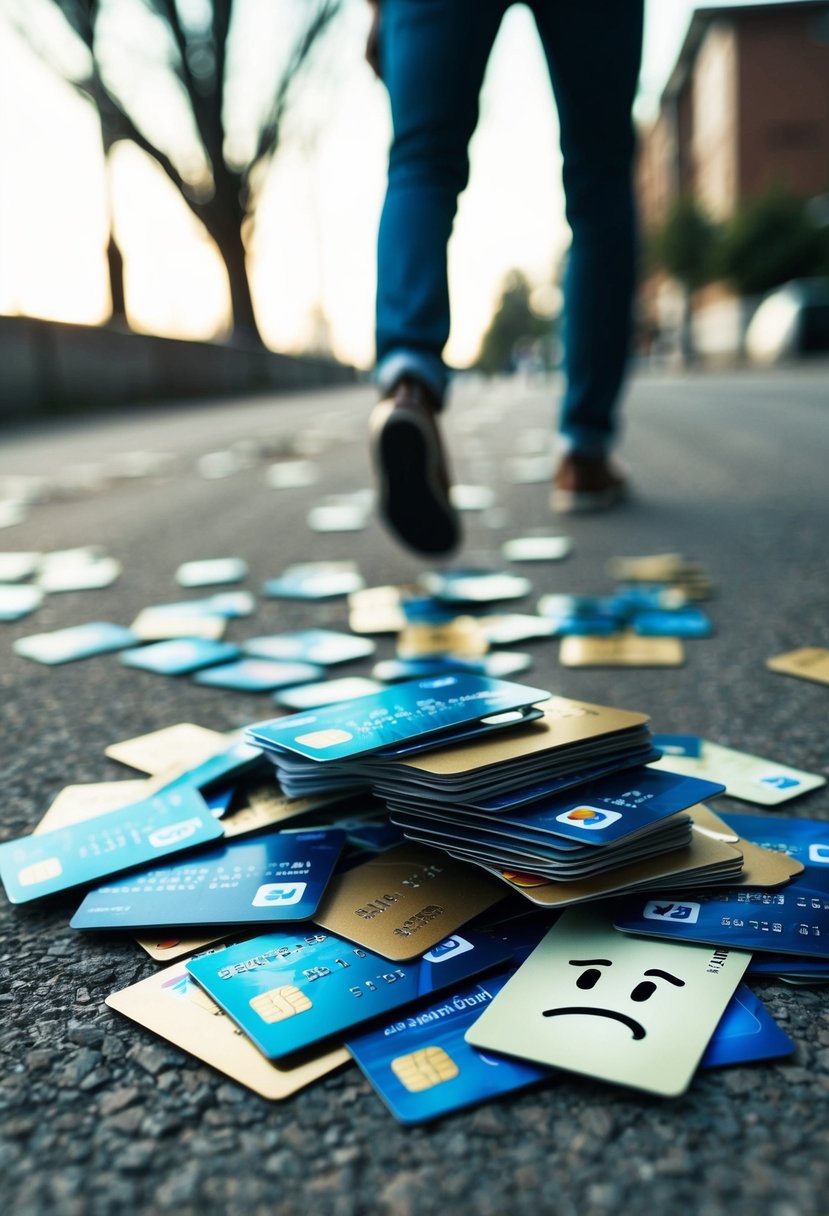
Credit cards can be particularly dangerous for certain personality types. As Godin points out in his urgent personal finance advice, “If you have credit card debt, that means that every time you spend money (even cash), you’re borrowing money to do so.” This insight helped me understand why some people thrive with credit while others struggle despite their best intentions.
Many marketers work hard to confuse us about money, taking advantage of our misunderstanding of basic financial concepts. I’ve found that recognizing your relationship with credit early can save you from years of financial stress and help you build systems that match your personality.
Key Takeaways
- Credit card debt indicates you’re borrowing for all expenses, suggesting you may not be suited for credit card use.
- Your comfort with financial risk and spending patterns reveals your true compatibility with credit cards.
- Creating financial systems that match your personality leads to better money management and reduced stress.
Recognizing Your Financial Personality
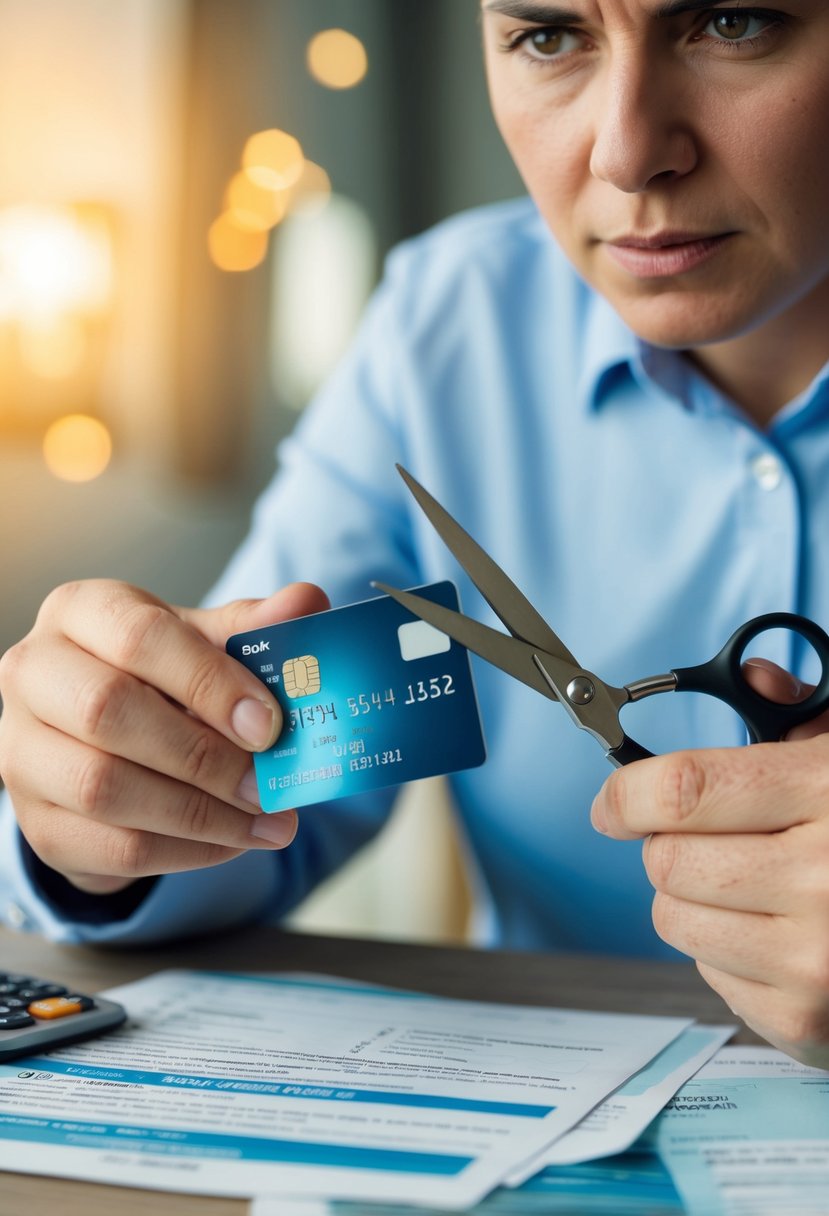
Understanding your financial personality helps you make better decisions about credit cards. Some people thrive with credit while others do better with cash-based approaches.
Discomfort with Debt and Leverage
I’ve noticed that many people feel a natural unease about borrowing money. This discomfort isn’t irrational – it’s an important signal about your financial personality.
When you find yourself losing sleep over credit card balances, even small ones, you’re likely not a “credit card person.” Seth Godwin points out that this anxiety is a key indicator of your financial temperament.
People who don’t have emergency funds often feel this discomfort more intensely. Without that safety net, the stress of potential debt becomes overwhelming.
Your emotional response to debt is valuable information. If you feel physically uncomfortable when making purchases you can’t immediately pay off, honor that feeling rather than fighting it.
Preference for Liquidity Over Credit
I believe some people simply function better with cash or debit cards. This preference for liquid assets over credit reflects a cautious financial personality.
When you consistently prefer having money in hand rather than borrowing against future income, you’re demonstrating a liquidity preference. This isn’t about fear – it’s about personal effectiveness.
The relentless pursuit of “more” through credit can contradict your natural financial style. Some people find budgeting and spending control much easier when they use only the money they already have.
Your spending habits reveal important clues. If you find yourself regularly paying bills immediately rather than waiting, feeling satisfied with cash purchases, and saving before buying rather than financing, these behaviors indicate you may thrive with a cash-based approach to personal finance.
The Impact of Credit on Personal Wealth

Credit cards can dramatically shape your financial future, often in ways that aren’t immediately visible. I’ve seen how interest payments can silently erode wealth building potential while creating an illusion of affordability.
Credit Cards and Consumer Spending Habits
I’ve observed that credit cards fundamentally change spending behavior. When you swipe plastic instead of using cash, you’re more likely to make impulse purchases and spend more on each transaction. This psychological disconnect from your money is powerful.
Credit card companies design their products to encourage this behavior. Points, rewards, and cash back offers create an illusion that you’re somehow coming out ahead, when most users end up paying far more in interest than they ever earn in perks.
As Seth points out, if you’re carrying a balance, “every time you spend money (even cash), you’re borrowing money to do so.” This reality contradicts what investing experts like Robert Kiyosaki emphasize – that money should work for you, not against you.
Understanding the Role of Interest Rates
Interest rates aren’t just numbers – they represent the true cost of borrowing. When I examine typical credit card APRs of 18-25%, I’m looking at rates that can make debt balloon rapidly.
Many people don’t realize that interest compounds, meaning you pay interest on your interest. This creates a mathematical disadvantage that’s nearly impossible to overcome through normal income growth.
Credit card marketers intentionally obscure the time value of money, making minimum payments seem manageable when they actually trap you in debt for decades.
What’s truly painful? The opportunity cost. Every dollar paid in interest is a dollar that can’t be invested. While credit card debt grows at 20%+ annually against you, those same dollars could be growing for you in investments, creating a double negative impact on your wealth.
When Cash Management Reflects Your Business Approach

How you handle money reflects your business philosophy and affects your financial outcomes. Cash management practices often mirror your overall approach to business decisions and risk tolerance.
Aligning Payment Methods with Business Values
I believe your payment method choices should match your business values and financial goals. Small business owners who prefer tight control over spending often avoid credit cards because they value direct cash management.
If you run a business with seasonal cash flow, using credit strategically during low periods might make sense. However, if you don’t have an emergency fund, relying on credit cards for business expenses could be risky.
Consider these questions about your business approach:
- Do I value predictable, fixed expenses?
- Am I comfortable with potential interest costs?
- Does my business have stable enough cash flow to handle credit payments?
Your answers will help determine if credit cards align with your business philosophy.
Effective Cash Flow Strategies for Entrepreneurs
I’ve found that successful entrepreneurs develop cash management systems that match their problem-solving style. If you’re detail-oriented, a cash-only approach provides clear spending boundaries and prevents overspending.
Track your business expenses meticulously regardless of payment method. Many entrepreneurs who struggle with credit tend to carry balances from month to month, which erodes profitability.
Smart cash flow strategies for credit-cautious business owners include:
- Setting aside profit first before paying expenses
- Creating separate accounts for tax obligations
- Building a business emergency fund of 3-6 months of expenses
- Using envelope budgeting for variable costs
These strategies work particularly well for small businesses with tight margins where every dollar counts.
Learning From Financial Philosophers
Financial wisdom transcends time and culture, offering valuable insights for our modern money decisions. I’ve found that ancient poets and contemporary investors share principles that can guide our credit card choices.
Applying Rumi’s Wisdom to Financial Decisions
Rumi, the 13th-century Persian poet and philosopher, wrote: “The wound is the place where the Light enters you.” This wisdom applies perfectly to credit card management. My financial wounds—like past credit card debt—taught me valuable lessons about spending control.
Rumi’s philosophy of mindfulness encourages us to question: “Is this purchase aligned with my true needs?” Before swiping my card, I now ask if the purchase serves my higher purpose or merely temporary satisfaction.
His teachings about moderation translate directly to credit limits. As Rumi said, “Moderation is the path where wisdom walks.” When I practice moderation with credit, I avoid the extremes that create financial stress.
The poet’s emphasis on patience also applies to financial planning. Building credit worthily requires time and consistency, not rushed decisions.
Inspirational Insights from Successful Investors
Warren Buffett famously doesn’t trust credit cards because they can transform from financial tools into burdens. His principle of avoiding debt shapes my approach to credit.
I’ve learned that successful investors follow a pattern of disciplined spending. They don’t view credit cards as “free money” but as tools requiring responsible management.
Seth Godwin points out that lacking an emergency fund is a red flag that you might not be ready for credit cards. This insight changed how I prepare my financial foundation.
Charlie Munger’s “inversion thinking” helps me avoid credit problems by considering: “What behaviors would guarantee credit card disaster?” Then I simply avoid those actions.
Ray Dalio’s principle of “radical transparency” inspires me to be honest about my spending habits and credit card statements rather than hiding from financial reality.
Frequently Asked Questions
Credit card decisions impact your financial health in meaningful ways. These questions explore important warning signs that might indicate credit cards aren’t the right fit for your financial style and suggest alternatives that could better serve your needs.
What are the indicators that I might be mishandling my credit card usage?
The clearest sign is carrying a balance month to month. When you consistently can’t pay your full statement, you’re falling into a debt trap.
If you have credit card debt, you’re in big trouble. Your financial account essentially has a significant leak that worsens with time due to compound interest.
Frequently making only minimum payments is another red flag. This behavior maximizes interest paid while barely reducing principal, extending your debt timeline for years.
Can a reluctance to track spending suggest I’m not suited for credit cards?
Avoiding your statements or refusing to check your balance regularly shows you’re not ready for credit cards. Successful card users monitor transactions weekly.
Card usage requires awareness of exactly how much you’ve spent. If reviewing your spending causes anxiety or you prefer financial ignorance, credit cards likely aren’t right for you.
Effective card users treat their plastic like cash, knowing precisely how much they can spend based on their budget. Reluctance to track indicates a potential mismatch with this payment method.
How could consistently carrying a balance affect my financial health as a credit card user?
Carrying balances creates a compounding problem through high interest rates, typically ranging from 18-29%. This rapidly increases your debt beyond original purchases.
Your credit score suffers when utilization remains high, limiting future financial opportunities. High balances can restrict your ability to qualify for mortgages, auto loans, or better credit terms.
The psychological burden of persistent debt creates stress that affects other areas of life. Financial worry can impact sleep, relationships, and even job performance.
What habits show that I might benefit from alternative payment methods over credit cards?
Impulse spending increases significantly with credit cards for many people. If you consistently buy things you hadn’t planned when using plastic, cash might work better.
Difficulty remembering what you’ve purchased on cards suggests disconnection from your spending. This mental disconnect doesn’t typically happen with cash transactions.
Falling into approval-seeking behavior through spending indicates cards might encourage unhealthy financial choices for you. Alternative payment methods create more purchase friction, giving you time to reconsider.
Are there specific behaviors that signal I should reconsider my credit card reliance?
Taking cash advances from credit cards is a serious warning sign. These transactions typically carry even higher interest rates and begin accruing interest immediately.
Applying for new cards while carrying balances on existing ones suggests problematic behavior. This pattern often indicates trying to solve debt problems with more debt.
Using cards for everyday necessities like groceries and gas while unable to pay monthly balances shows financial distress. This turns inexpensive purchases into long-term debt obligations.
How can the way I react to credit card rewards inform me about responsible card usage?
I find that making purchases specifically to earn rewards often leads to overspending. If you buy things you wouldn’t otherwise purchase just for points, rewards are controlling your behavior.
Focusing more on rewards than on interest paid reveals misaligned priorities. The value of typical rewards (1-5%) never outweighs the cost of carried balances (18-29% interest).
Treating rewards as a form of income rather than a small discount on planned spending indicates potential misunderstanding of credit card economics. Rewards should be a side benefit, never the main motivation.