Riskiest Places To Swipe Credit Card: 5 High-Threat Locations To Avoid in 2025
August 17, 2026 · Alexander Whaley
I noticed something odd about the card reader at a gas station last week. It seemed slightly loose. This got me thinking about all the places where our credit cards might be vulnerable to theft. Credit card fraud is a serious concern in today’s digital economy, with thieves constantly developing new methods to steal card information. The riskiest places to swipe your credit card include gas stations, non-bank ATMs, small foreign shops, flea markets, and some online retailers with non-secure checkout processes.
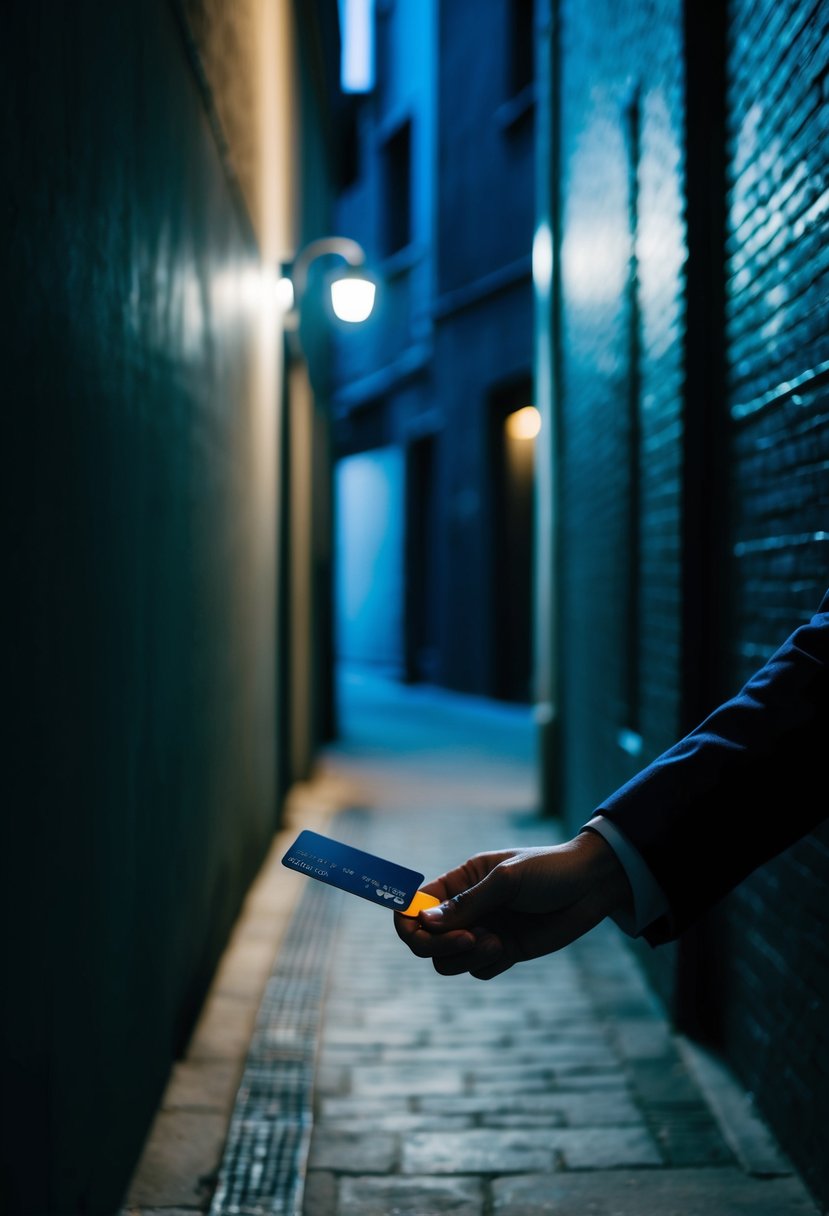
I’m now more careful about where I swipe when I use my credit card for transactions. Gas stations are particularly high-risk establishments because they’re often poorly lit and under-supervised, making them prime targets for criminals who install skimming devices. Similarly, ATMs that aren’t owned by banks – like those in hotel lobbies or convenience stores – can be manipulated to capture your card details and PIN.
Key Takeaways
- Card skimming is most common at gas stations, non-bank ATMs, and flea markets where surveillance is minimal.
- Using contactless payment methods or mobile wallets provides better protection than traditional swiping.
- Regularly monitoring account statements and setting up transaction alerts can help detect fraud quickly.
Understanding Credit and Debit Card Risks
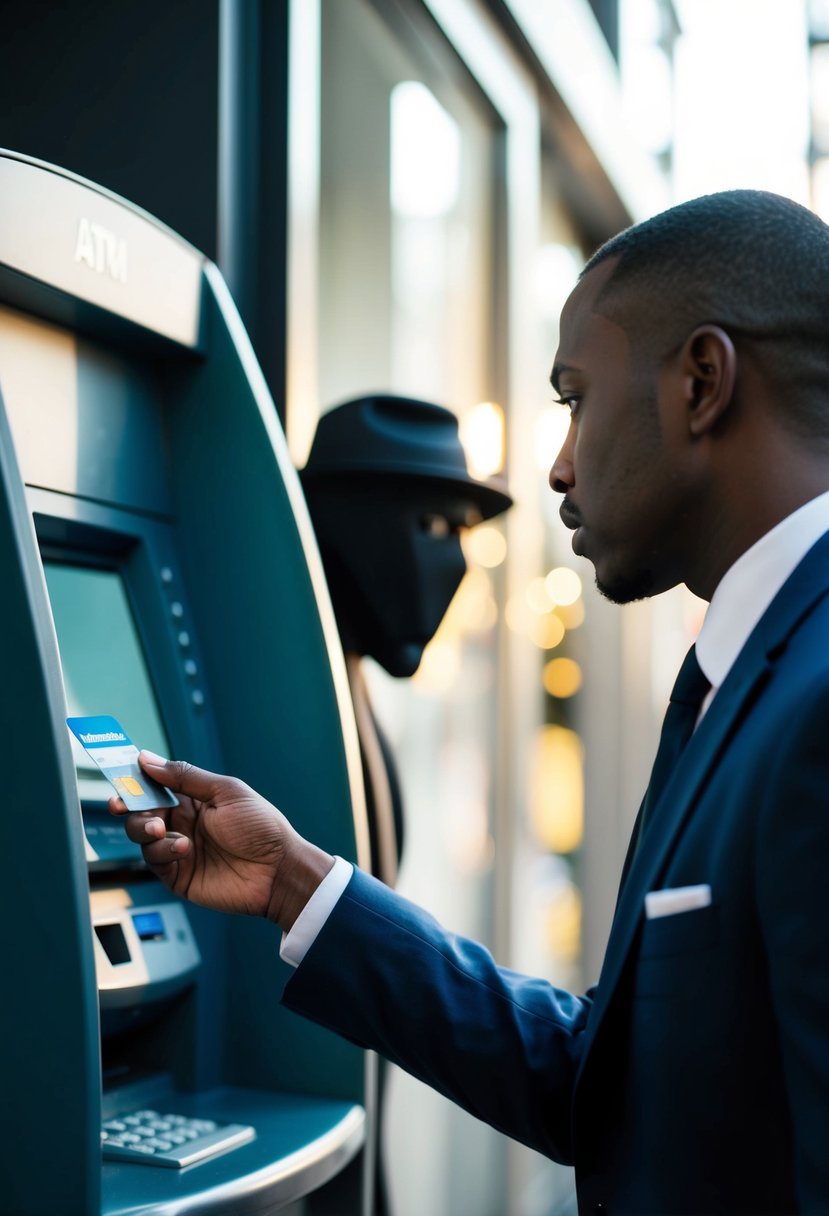
Card fraud happens when thieves steal your payment information. Both credit and debit cards face risks, but knowing how theft occurs can help you protect yourself.
The Basics of Skimming
Skimming is a common technique thieves use to steal your card information. A card skimmer is a small device placed over a legitimate card reader that copies your card data when you swipe. These skimming devices can be found at:
- Gas pumps
- ATMs
- Restaurant payment terminals
- Retail store checkout counters
Skilled thieves make these devices nearly impossible to spot. They often look like part of the original machine. Sometimes criminals also install tiny cameras to capture your PIN as you type it.
After collecting your information, thieves can create fake cards or make online purchases with your stolen data. This is why it’s important to check your statements regularly and report suspicious activity immediately.
Difference Between Chip Cards and Magnetic Stripe Cards
Chip cards (EMV technology) offer significantly better protection than traditional magnetic stripe cards. When I use a chip card, it creates a unique transaction code that cannot be reused. This makes it much harder for thieves to copy my information.
With magnetic stripe cards, all my data is stored on the stripe and remains the same for every transaction. This makes it easy for skimming devices to copy and reuse my information.
Key differences include:
| Feature | Chip Cards | Magnetic Stripe Cards |
|---|---|---|
| Security | High (unique codes) | Low (static data) |
| Skimming Risk | Very low | High |
| Transaction Method | Insert or tap | Swipe |
| Global Acceptance | Widespread | Becoming less common |
While chip cards have reduced fraud at physical locations, online transactions still pose risks since the physical chip isn’t used. I always use credit cards instead of debit cards when shopping online for better fraud protection.
Common Venues for Card Information Theft
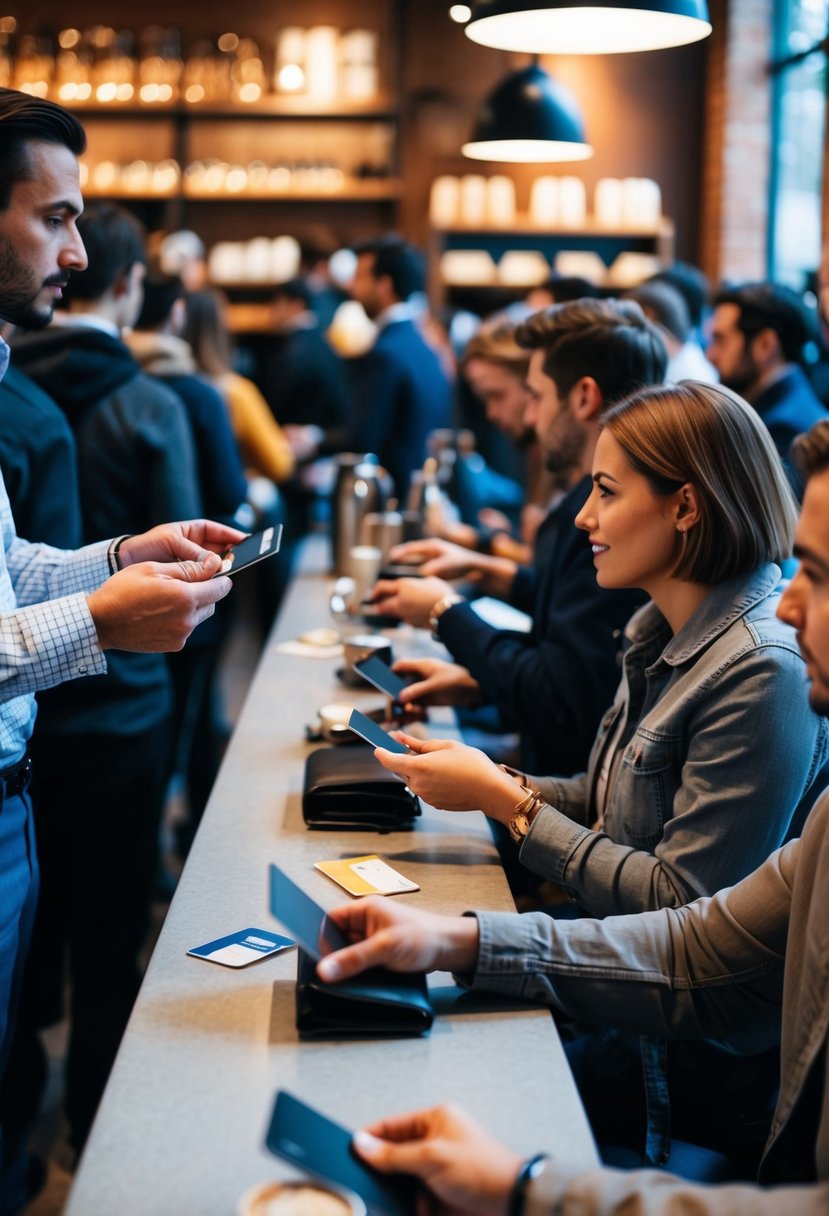
Credit card theft happens more often at certain places. I’ll show you where criminals target most frequently and how they steal your information using skimmers, data breaches, and other methods.
Gas Stations and ATMs
Gas stations and ATMs are prime targets for credit card thieves. These locations often have outdoor payment terminals that criminals can access with minimal supervision. Thieves install card-skimming devices that fit over the real card readers and capture your information when you swipe.
Gas pumps are particularly vulnerable because they’re often unattended. I recommend looking carefully at the card reader before inserting your card. If it appears loose, damaged, or different from other pumps at the station, it might be compromised.
ATMs in isolated locations present similar risks. Bank ATMs typically have better security measures, including cameras and regular inspections. When possible, I use ATMs inside bank branches rather than standalone machines in convenience stores or other public places.
Some warning signs of tampered card readers include:
- Loose or wobbly card slots
- Different coloring or materials than the rest of the machine
- Visible adhesive or tape residue
- Difficulty inserting your card
Restaurants and Retail Stores
Restaurants create unique risks because your card often leaves your sight. When servers take your card to process payment, dishonest employees might use portable skimmers to copy your information before returning it. This “behind-the-scenes” processing makes restaurants particularly risky for credit card theft.
Small retail stores sometimes have outdated security systems or poorly trained staff. Larger retailers aren’t immune either. Major data breaches have affected millions of customers when hackers gained access to payment systems.
I always try to:
- Keep my card visible when possible
- Use contactless payment options when available
- Review my transactions regularly
- Set up alerts for unusual activity
Employee theft is another concern. Workers with access to customer databases can potentially view and steal card information stored in company systems.
Online Retail and Mobile Vendors
E-commerce presents different but equally serious risks. Online retailers store your credit card data on their servers, which makes them targets for hackers. E-skimmers or online skimmers inject malicious code into legitimate websites to steal payment information as you enter it.
Small or unfamiliar websites may lack robust security measures. I’m extra cautious with:
- Pop-up shops or temporary online stores
- Sites without https (secure) protocols
- Retailers requesting unusual payment methods
- Mobile vendors using unrecognized payment systems
Public Wi-Fi adds another layer of risk. Using unsecured networks while shopping online can expose your payment details to hackers monitoring network traffic.
Mobile payment apps like those used by food trucks and festival vendors might also have security vulnerabilities if they use outdated systems or unsecured connections to process payments.
Preventive Measures and Safety Tips
Taking action to protect your finances is essential when using credit cards in risky locations. These practical steps can help you avoid becoming a victim of credit card fraud and know what to do if suspicious activity occurs.
Protecting Your Card Information
I recommend using EMV chip cards whenever possible, as they offer better security than magnetic strips. When at gas stations or outdoor ATMs, I always inspect the card reader for any suspicious devices before inserting my card.
For online shopping, I only enter my information on secure websites (look for “https” and a lock icon). Many financial institutions now offer virtual card numbers for online purchases, which I use to keep my actual card number private.
I’ve also enabled two-factor authentication (2FA) on all my accounts. This significantly reduces unauthorized access risk, even if my password is compromised.
When traveling internationally, I notify my bank beforehand and use contactless payment methods when available at small shops and cafés.
Recognizing and Reporting Fraudulent Charges
I check my bank statements weekly rather than waiting for monthly reviews. This helps me catch suspicious activity quickly. Many banks offer real-time transaction alerts that I’ve set up to notify me of any purchases.
If I spot an unauthorized purchase, I immediately:
- Call my credit card company (using the number on the back of my card)
- Report the fraudulent charge
- Request a new card with a different number
By law, my liability is limited to $50 for credit cards if I report promptly, and many issuers offer zero-liability protection.
I’ve bookmarked the Federal Trade Commission’s fraud reporting website (IdentityTheft.gov) and keep their number handy. They can help with serious identity theft cases beyond simple card fraud.
For ongoing protection, I review my credit reports from all three bureaus annually through AnnualCreditReport.com to catch any accounts I didn’t open.
Frequently Asked Questions
Credit card fraud happens in specific places where thieves can easily steal your information. Knowing these locations and how to protect yourself can help prevent theft of your card details.
What locations are most prone to credit card fraud?
Gas stations rank among the riskiest places for credit card fraud. The pumps often have minimal supervision, making it easy for thieves to install skimming devices.
ATMs in isolated areas present significant risks as criminals can attach skimmers and even hidden cameras to capture your PIN.
Online retail stores with poor security measures can leak your data. Small restaurants where your card leaves your sight are also risky.
How do credit card skimmers typically operate in compromised areas?
Skimmers are small devices attached to legitimate card readers that capture your card information when you swipe. These devices are often nearly invisible to untrained eyes.
At gas pumps, skimmers can be installed inside the payment panel in seconds. The thieves return later to collect the device or retrieve data wirelessly.
Some sophisticated skimmers transmit your card data instantly via Bluetooth to criminals waiting nearby. This makes the theft harder to detect and trace.
In which environments is using a credit card particularly vulnerable to theft?
Restaurants where servers take your card away present risks. Your card could be swiped through a personal skimmer out of your sight.
Public Wi-Fi areas increase vulnerability when making online purchases. Hackers can intercept your data on unsecured networks.
Outdoor terminals like parking payment kiosks often have less security and monitoring, making them targets for skimmer installation.
What are the indicators of a suspicious credit card transaction terminal?
Loose or wobbly card readers might indicate tampering. If the card slot feels strange or has an unusual attachment, it could contain a skimmer.
Mismatched components or different coloring on parts of the terminal can signal that something has been added or modified.
Unusual resistance when inserting your card or visible glue residue around the card slot are red flags. Trust your instincts if something seems off about the terminal.
How can one safeguard their credit card information when making in-person transactions?
I recommend using contactless payment options when available, though they aren’t completely risk-free. Tapping is generally safer than swiping.
Avoid double swiping, where merchants swipe your card on their point-of-sale system after already processing it electronically. This creates additional opportunities for data theft.
Shield the keypad when entering your PIN and regularly check your statements for unauthorized charges. Using credit cards instead of debit cards provides better fraud protection.
What measures should be taken if a credit card is used in a high-risk area?
If you use your card in a high-risk location, monitor your account closely for several days. Many banking apps now offer instant transaction notifications.
Contact your bank immediately if you notice any suspicious activity. The sooner you report potential fraud, the better protected you’ll be.
Consider requesting a new card if you strongly suspect your information was compromised. Most banks will issue a replacement quickly at no cost.