Travel With Your Airline Miles Now Vs 5 Years Ago: Key Changes in Redemption Value and Flexibility
November 13, 2026 · Alexander Whaley
Remember when your airline miles could take you on that dream vacation without much fuss? I see a major shift in how far my miles stretch today compared to just five years ago.
Recent surveys show that airline mileage prices have increased by 28% in the last 5 years, changing what you can book with the same number of miles.

Frequent flyer programs look very different now. Miles once offered straightforward value.
Today, programs use dynamic pricing models and fluctuating award charts. Many airlines have moved from fixed-rate award charts to revenue-based systems, tying miles required to the cash price of tickets.
This shift often makes aspirational redemptions more expensive.
Key Takeaways
- Airline miles have lost about 28% of their value over the past five years, so you need more points for the same destinations.
- Many airlines now use dynamic pricing models that change based on demand and cash prices.
- With strategic booking and flexibility, travelers can still maximize the value of their airline miles.
How Airline Miles Worked 5 Years Ago

Back in 2020, airline miles worked differently. Airlines offered more predictable award charts and better redemption rates.
Availability of Award Flights
Five years ago, finding award flights was often easier on certain routes and airlines. Major carriers like American Airlines and United published award charts, making it clear how many miles you needed for specific destinations.
I checked for seats 11 months in advance and often found good availability for international business class. Airlines released batches of award seats at set intervals.
Partner award availability was usually more generous. I could find seats on Star Alliance or Oneworld partners without as many restrictions.
Some airlines started blocking availability to their own members while still offering it to partners, which frustrated loyal customers.
Earning Miles through Airline Programs
In 2020, flying still provided a meaningful way to earn miles. Most airlines awarded miles based on the fare price, not distance flown.
Elite status levels gave decent earning multipliers. As a Gold member, I earned anywhere from 50-100% bonus miles on flights.
Promotional offers and targeted deals were common. Airlines sent special earning opportunities that helped boost mile balances.
The value of miles stayed more consistent across loyalty programs. While airlines differed, the range wasn’t as dramatic as it is today.
Dining programs, shopping portals, and airline surveys offered extra ways to earn miles.
Redemption Options and Restrictions
Five years ago, redemption options were more straightforward. Most major airlines used fixed award charts with clear pricing by region and class.
Blackout dates and capacity controls were common. Airlines restricted award seats during peak travel periods, so holiday redemptions were harder.
Change and cancellation fees for award tickets were stricter. I often paid $150 or more to modify award bookings.
The best use of points was often for international premium cabin travel, where you could get great value compared to cash prices.
Fuel surcharges on award tickets added significant costs with some programs.
Role of Co-Branded Credit Cards
Co-branded credit cards played an important role in the miles ecosystem five years ago. Sign-up bonuses were generous, often enough for round-trip domestic flights after meeting spending requirements.
Category bonuses were more limited, usually offering extra points only on airline purchases and sometimes at restaurants or grocery stores.
Annual fees were generally lower, with many mid-tier cards in the $95-$150 range.
Most cards provided basic perks like free checked bags and priority boarding. Premium cards included lounge access and companion certificates.
Flexible points from credit cards became more valuable as travelers realized the benefit of having more options.
I found that having two or three airline-specific cards was usually enough to maximize benefits while managing annual fees.
Current Landscape of Travel With Airline Miles

The travel rewards landscape has changed a lot in recent years. Mileage prices have increased by 28% over the last 5 years.
I see major carriers shifting to dynamic pricing models, and loyalty programs have evolved in how we earn and redeem points.
Changes in Airline Loyalty Programs
Major U.S. carriers have transformed their loyalty programs since 2020. Delta SkyMiles removed award charts and moved to fully dynamic pricing.
American Airlines AAdvantage switched to a Loyalty Points system that rewards spending over flying distance.
United MileagePlus also embraced revenue-based earning, making elite status harder to achieve. I can’t rely on finding a saver award at a fixed price anymore.
Airlines now focus on their biggest spenders, not just mileage optimizers. Elite status requirements have increased, with spending thresholds as the main qualification.
Many airlines now reward credit card spending more heavily, giving new ways to earn status without flying.
Easier and Harder Routes to Earning Points
Earning miles has become both easier and harder. Credit card welcome bonuses remain generous, often reaching 100,000+ points.
Many cards now offer bonuses for everyday spending like groceries and dining.
New opportunities through shopping portals, dining programs, and rideshare partnerships have multiplied. For example, I can earn American Airlines miles by shopping online, using Lyft, or dining at partner restaurants.
Base earning from flights has decreased. Most airlines award miles based on ticket price, which hurts budget travelers on long routes.
Non-flying opportunities have expanded, but I need to plan and track them to get the best value.
Modern Redemption Flexibility
Miles today offer both more and less flexibility. Many programs let me use miles for hotels, rental cars, experiences, merchandise, and to cover taxes and fees.
Transfer partnerships have grown, so I can move points between programs. Chase Ultimate Rewards, American Express Membership Rewards, and Capital One miles can be converted to many airline and hotel partners.
Dynamic pricing has reduced predictability. I can’t reliably budget a set number of miles for a specific route.
During peak travel times, award prices can skyrocket. Some positives include reduced or eliminated close-in booking fees and more options for premium economy redemptions.
Southwest Rapid Rewards and JetBlue TrueBlue still offer revenue-based redemptions with consistent value.
Impact of Dynamic Pricing Models
Dynamic pricing has changed how I value and redeem airline miles. Instead of fixed award charts, most major U.S. airlines now vary award prices based on demand, season, and cash prices.
Last-minute business travelers sometimes find better award availability when cash prices are high. I have found good value booking premium cabins on international routes during off-peak times.
But holiday and peak-season travel often requires double or triple the miles compared to five years ago. The value of loyalty program points now varies greatly between programs.
Dynamic pricing has created bigger differences between programs. Delta SkyMiles has seen severe devaluations, while Alaska Mileage Plan still offers some great deals with partner airlines.
Key Differences When Redeeming Miles Then vs Now
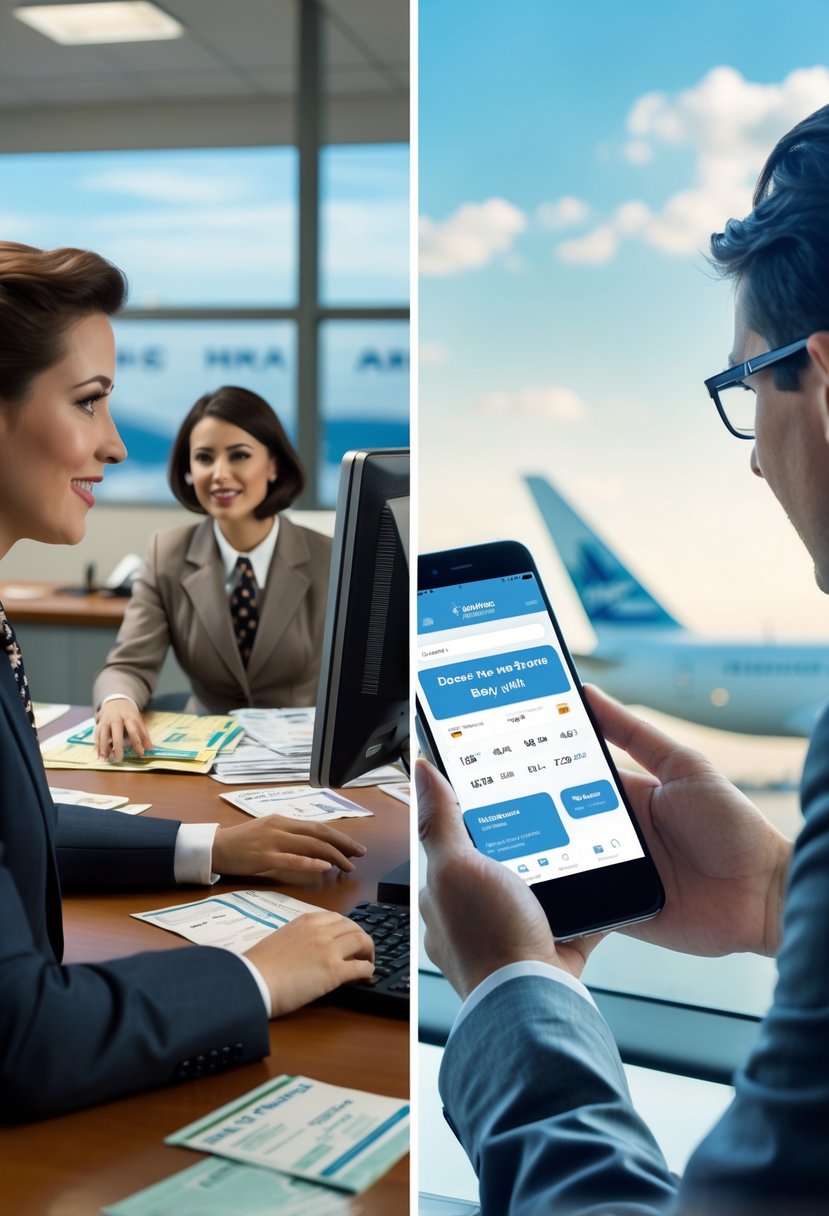
The way we redeem airline miles has changed a lot over the past five years. Value calculations, policies, and opportunities have all shifted.
Upgrade Opportunities and Costs
Five years ago, upgrading with miles could give excellent value. I could often get a business class upgrade on international flights for around 15,000-25,000 miles each way plus a modest co-pay.
Today, many airlines have increased both the miles required and the cash component.
Then vs Now Upgrade Costs (Example Routes)
| Route | 5 Years Ago | Today (2025) |
|---|---|---|
| US to Europe | 25,000 miles + $150 | 40,000 miles + $350 |
| US to Asia | 30,000 miles + $200 | 50,000 miles + $450 |
Airlines now use dynamic pricing models that adjust upgrade costs based on demand. This makes it harder to predict costs.
Last-minute upgrade opportunities are rare now. Most premium cabins sell out earlier as airlines improve revenue management.
Changes in Sign-Up Bonuses
Credit card sign-up bonuses have changed a lot. In 2020, a premium travel card might offer 50,000-60,000 miles as a welcome bonus with a $3,000-$4,000 spending requirement.
Today’s offers are higher but come with changes:
- Larger bonuses (often 75,000-100,000 miles)
- Higher spending requirements ($5,000-$8,000 in 3-6 months)
- Increased annual fees (many $95 cards now cost $150+)
Many credit card sign-up bonuses now have tiered structures that require more spending to get the full bonus. I need to plan my applications more carefully.
Banks have tightened application rules. Chase’s 5/24 rule and similar restrictions from American Express and Capital One limit how many new accounts I can open.
Business Class Award Availability
Business class award availability has changed dramatically in recent years.
Five years ago, I could reliably find saver award space on most routes with 6-10 months of advance planning.
Today, the situation is different:
- Partners offer fewer award seats (especially with AA miles)
- Mileage requirements have increased (often 30-50% more miles)
- Award seat releases are less predictable
Many airlines now use dynamic pricing instead of fixed award charts.
United and Delta started this shift, and American Airlines adopted it later.
Points now have less buying power than before.
I’ve found more success by staying flexible with travel dates and routes.
Flying through secondary hubs or choosing less popular days can improve your chances of finding award seats.
The best approach is to target flights where miles offer strong value.
Essential Tips for Maximizing Value Today
To get the most from your airline miles, you need strategy and knowledge of loyalty programs.
With the right approach, you can still find good value even after recent devaluations.
Choosing the Right Loyalty Program
Focus on programs that offer flexibility and reasonable redemption rates.
Alaska Airlines Mileage Plan and United MileagePlus still provide better value than many competitors.
When I choose a program, I look at:
- Transfer partners – Programs linked to credit card points (Chase, Amex) offer more options.
- Award charts vs. dynamic pricing – Fixed charts can be more predictable.
- Partner redemptions – These often give better value than booking directly.
Region-based award charts usually offer better value than revenue-based systems.
Airline mile prices have increased by 28% in the last five years, so choosing carefully is more important than ever.
Leveraging Multiple Frequent Flyer Accounts
I never keep all my miles in one program.
Diversifying your accounts protects you from devaluations and gives you more booking options.
I keep accounts with:
- One airline in each major alliance (Star Alliance, Oneworld, SkyTeam)
- Flexible point currencies (Chase Ultimate Rewards, Amex Membership Rewards)
- Hotel programs that transfer to airlines
Credit card sign-up bonuses are still the fastest way to earn miles.
I rotate card applications every 3-6 months to maximize bonuses while following application rules.
Keep your miles active with small transactions if you don’t fly often.
Most programs expire miles after 18-24 months of inactivity.
Best Practices for Award Flight Booking
Book award flights as soon as tickets become available (usually 330-365 days in advance) for the best chance at premium cabins.
Effective booking strategies:
- Search for each flight segment separately
- Use award search tools like ExpertFlyer or AwardNexus
- Check partner airlines, not just your primary program
- Stay flexible with your dates and routing
Mid-week flights usually require fewer miles than weekend travel.
International routes, especially in business class, often offer better value than domestic flights.
Some airlines release unsold award seats 1-2 weeks before departure for last-minute trips.
Frequently Asked Questions
Airline mile programs have changed a lot in recent years.
These changes affect how travelers earn, redeem, and maximize their loyalty benefits.
What changes have occurred in the redemption value of airline miles compared to five years ago?
Mile redemption values have dropped significantly over the past five years.
Mileage prices have increased by 28% in the last five years, so your miles now buy less travel.
Most major carriers have devalued their programs.
A round-trip domestic flight may now only cover a one-way ticket.
Many airlines now use dynamic pricing, making it harder to predict how many miles you’ll need.
How have airline policies regarding the expiration of miles evolved over the past five years?
Several major airlines have removed mile expiration, a positive change from five years ago.
Delta, United, and Southwest now let miles remain valid as long as your account stays active.
Other airlines have extended expiration timeframes to 24 or 36 months of inactivity.
Some carriers still require account activity every 12-18 months to keep your miles.
What is the current policy for retroactively claiming miles with major airlines?
Most major airlines let you claim miles retroactively within 6-12 months of your flight date.
American Airlines typically allows claims up to 12 months after travel.
You need your ticket number and flight details to submit a request.
Some airlines charge a fee for claims submitted more than 30 days after travel, usually $25-50.
Are there any new strategies recommended for maximizing the value of airline miles now?
Focus on transfer partners instead of booking directly with airlines.
Credit card points that transfer to multiple airlines give you more flexibility and value.
Use miles for premium cabin international flights, which still offer the best value despite devaluations.
Book during off-peak times when mile requirements are lower.
Tuesday through Thursday departures often require fewer miles than weekend travel.
Earn bonus miles through airline shopping portals and dining programs to help offset higher redemption rates.
How does the availability of reward flights now compare to five years ago?
Reward seat availability has dropped compared to five years ago.
Many travelers report that finding available award seats is now more difficult, especially at reasonable mileage levels.
Airlines use advanced algorithms to manage inventory and release fewer seats for mile redemptions during busy periods.
Partner airline availability has also tightened, with fewer seats available through alliances.
Have there been significant changes in the restrictions or benefits of airline loyalty programs recently?
Most major airlines have increased status qualification requirements. What earned Gold status five years ago now only qualifies for Silver.
Many carriers now require travelers to meet spending requirements in addition to mileage thresholds for status. These changes favor high-spending business travelers.
Credit card perks have grown. More cards now offer priority boarding, free checked bags, and airport lounge access to make up for reduced program benefits.
Airlines now require mid-tier status for basic benefits like free seat selection and priority boarding. Five years ago, travelers received these benefits with entry-level status.

Alexander Whaley: Global Sales Leader, Scientist, and pragmatic Financial Mentor dedicated to empowering individuals and organizations to achieve financial health and strategic success. Leveraging a proven track record in international sales leadership—including P&L and pricing responsibility—and decades of personal financial discipline (note: insights based on experience, not certified financial advice), I specialize in guiding others through real-world financial complexities towards sustainable stability. Whether mentoring individuals out of debt, advising start-ups, leading high-performing teams, or sharing insights on StraightFireMoney.com and Upskill2Own.com, my mission is to help others unlock practical strategies and achieve lasting impact.