Big Expenses Worth Charging Credit Get Rewards: Maximizing Value on Major Purchases
October 6, 2026 · Alexander Whaley
I’ve always found a special thrill in getting something back when I spend money. Using credit cards to earn rewards can be a smart financial move, especially for those bigger purchases that we all need to make. Charging major expenses on a rewards credit card can be worthwhile when the value of the points or cashback you earn exceeds any fees involved.
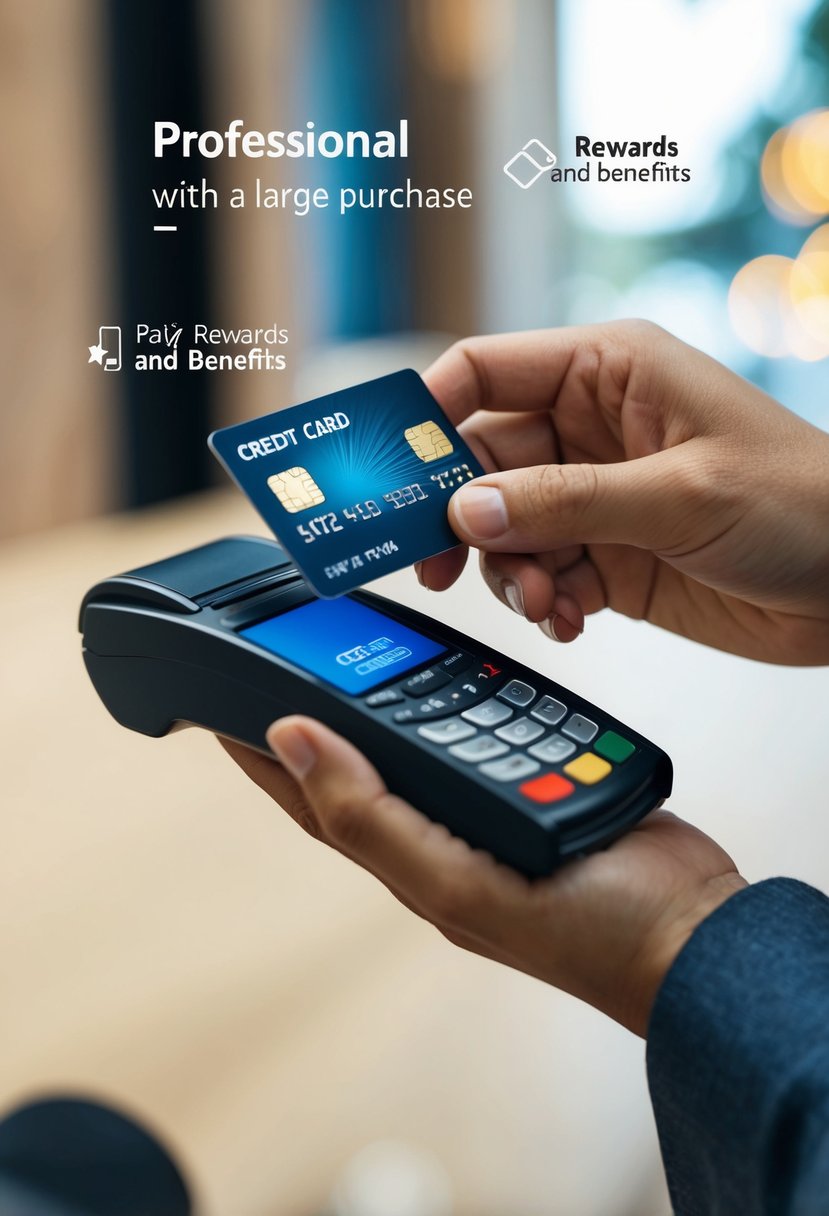
There are several significant purchases that make perfect sense to put on your credit card. From energy-efficient home appliances to 4K smart TVs, these larger expenses can help you rack up substantial rewards quickly. I’ve found that refundable travel bookings like airline tickets and hotel rooms are especially good candidates for credit card charges, as they offer both purchase protection and reward potential.
Key Takeaways
- Only charge big expenses on credit cards when the rewards value exceeds any processing fees you might pay.
- Energy-efficient appliances, electronics, travel bookings, and car tires are excellent candidates for credit card rewards.
- Always pay off the balance in full to avoid interest charges that would negate any rewards benefits.
Understanding Credit Card Rewards

Credit card rewards can be a powerful way to earn benefits on purchases you’re already making. I’ll explain how these programs work and how to choose the right card for your spending habits.
Types of Credit Card Rewards
Credit card rewards typically come in three main forms: cash back, points, and miles. Cash back is the simplest – you earn a percentage of your spending back as statement credits or actual cash. I’ve found that cash back rates typically range from 1% to 5% depending on the spending category.
Points systems award you units for every dollar spent, which can be redeemed for various items like gift cards, travel, or merchandise. The value of points varies widely between issuers, but typically ranges from 0.5 to 2 cents per point.
Miles are similar to points but are designed specifically for travel redemptions. Some travel rewards cards offer transferable points to airline and hotel partners, which can dramatically increase their value.
Many cards also offer substantial sign-up bonuses or welcome bonuses – often worth $200-$750+ – when you meet a minimum spending requirement in the first few months.
Comparing Rewards Cards
When comparing rewards cards, I need to match my spending habits to the card’s reward structure. If I spend heavily on groceries and gas, I should look for a card that offers bonus rewards in those categories.
Some cards offer flat-rate rewards (like 2% on everything), while others provide tiered rewards (like 3% on dining, 2% on travel, 1% on everything else). There are also cards with rotating categories that change quarterly, offering higher rewards rates in different spending areas throughout the year.
I should also consider if I want rewards I can use flexibly, like cash back, or if I’m looking for specific travel benefits to fund vacations. Premium travel cards might offer airport lounge access, travel credits, and elite status with hotels or airlines.
Redemption options matter too – some cards have minimum redemption thresholds or complicated systems that can reduce the actual value of rewards.
Evaluating Card Fees and Benefits
While rewards are exciting, I must carefully weigh them against any annual fees. Premium rewards cards often charge fees ranging from $95 to $695 annually. To justify this cost, the rewards and benefits I earn should exceed the fee amount.
Beyond rewards, many cards offer valuable perks like:
- Purchase protection
- Extended warranties
- Rental car insurance
- Trip cancellation coverage
- No foreign transaction fees
Credit card issuers make money through interchange fees charged to merchants and interest from cardholders who carry balances. This is how they fund rewards programs.
It’s crucial to remember that carrying a balance negates reward benefits due to high interest charges. I always aim to keep my credit utilization below 30% and pay my balance in full each month to maximize the value of card rewards.
Maximizing Rewards on Big-Ticket Purchases

When making large purchases, I’ve found that the right credit card strategy can turn necessary expenses into valuable rewards. Smart consumers can leverage sign-up bonuses, optimize spending categories, and choose cards that align with their purchase plans.
Strategic Use of Sign-up Bonuses
Many premium credit cards offer substantial welcome bonuses when you spend a certain amount within the first few months. I recommend timing big-ticket purchases—like a new appliance package or 4K smart TV—to coincide with opening a new rewards card.
For example, the Chase Sapphire Preferred Card typically offers 60,000+ points after spending $4,000 in the first three months. This makes large purchases practical ways to meet minimum spend requirements without changing your normal budget.
Remember to check your credit score before applying, as premium rewards cards typically require good to excellent credit (700+). I always ensure I can pay off the purchase completely to avoid interest charges that would negate any rewards earned.
Optimizing Spend for Maximum Points
Different cards offer bonus points in specific categories. I always match my big purchases to the right card for maximum return.
For Costco items, the Costco Anywhere Visa offers 2% cash back on all Costco purchases. Meanwhile, the Amazon Prime Visa provides 5% back on Amazon purchases, making it ideal for big Amazon buys.
When shopping for appliances, I look for cards offering bonus points at home improvement or department stores. Some cards even offer extended warranties on purchases, protecting your new Energy Star-rated models beyond the manufacturer’s coverage.
I also check for limited-time promotions before big purchases. Many issuers offer seasonal bonuses in rotating categories that could align with your planned expenses.
Targeted Spending with Specific Rewards Cards
For maximum value, I match my big-ticket purchases to my rewards goals. If I’m planning travel, I use a travel rewards credit card that earns points transferable to airlines or hotels.
For home renovations or appliance upgrades, a cash-back card might provide better value. I always calculate the potential rewards before deciding which card to use.
Be aware that some merchants charge credit card processing fees. I weigh these surcharges against potential rewards to determine if using a credit card remains beneficial.
For purchases with price fluctuations, I also look for cards offering price protection. This benefit can refund the difference if the price drops within a certain period after purchase, adding another layer of value beyond just the points earned.
The Impact of Big Expenses on Personal Finance

When charging large purchases on credit cards, I need to consider both potential benefits and financial risks. These decisions can significantly affect my budget, credit health, and overall financial stability.
Balancing Rewards with Budget
I should always evaluate whether the rewards justify using credit for big-ticket purchases. For example, a new appliance that costs $1,000 might earn me $20-30 in cashback, which seems worthwhile. However, if I can’t pay the balance in full, interest charges will quickly erase these benefits.
My budget must always come first. I need to ensure the expense fits within my financial plan before considering reward points. Using my credit card for planned big expenses like home repairs or holiday shopping can be strategic.
It’s also helpful to time large purchases with promotional periods when my card offers extra points in specific categories. This maximizes the value of necessary spending that I would make anyway.
Avoiding Overspending for the Sake of Rewards
I must be cautious about the psychological trap of spending more just to earn rewards. Credit cards can make it tempting to upgrade purchases beyond what I need or can afford.
Setting spending limits before shopping helps me avoid this pitfall. I should decide in advance what I can realistically afford, regardless of potential rewards.
For major purchases, I need to ask myself: “Would I still buy this item if I were using cash?” This mental check helps prevent impulsive spending motivated by reward points rather than actual need.
It’s also wise to distinguish between wants and needs. Essential big expenses (like replacing a broken refrigerator) make more sense for credit rewards than luxury items I could postpone.
Credit Utilization and Score Considerations
Large purchases can significantly impact my credit utilization ratio – the percentage of available credit I’m using. Keeping this below 30% is important for my credit score.
If I’m planning a substantial purchase, I might consider:
- Requesting a credit limit increase beforehand
- Making a partial payment before the statement closes
- Spreading the expense across multiple cards to minimize impact on any single account
Timing is also crucial. I should avoid making big charges before applying for important loans like mortgages, as temporarily high utilization could lower my score.
Large expenses can actually improve my credit history if managed properly. Consistently paying off big purchases demonstrates responsible credit use, potentially raising my score over time.
Redeeming Rewards Effectively
Getting the most from your credit card rewards requires strategic planning and understanding what redemption options will maximize your benefits. Many cardholders aren’t claiming their rewards at all, leaving money on the table.
Cash Back versus Travel Points
Cash back rewards offer simplicity and flexibility. I can redeem these rewards as statement credits, direct deposits, or sometimes gift cards. The value is straightforward – $100 in cash back equals $100 in real money.
Travel points work differently. Airlines miles and hotel points can potentially deliver more value when used for specific redemptions. For example, 50,000 points might cover a $750 flight during peak season, giving me more value than a $500 cash redemption.
The right choice depends on my lifestyle. If I travel frequently, airline miles and hotel points might serve me better. If I prefer simplicity, cash back rewards eliminate the need to track changing point values or blackout dates.
Understanding Redemption Value
Redemption value represents what I actually get for my points or miles. I always calculate this by dividing the dollar value of the reward by the number of points needed.
For example:
- 50,000 points for a $500 flight = 1 cent per point
- 50,000 points for a $750 flight = 1.5 cents per point
Travel rewards often provide higher redemption values than cash back, but require more planning. Statement credits typically provide lower value than other redemption options.
I should consider annual fees when calculating true redemption value. A card with a $95 annual fee requires me to earn enough rewards to offset this cost before I truly benefit.
Best Practices for Reward Redemption
I should avoid letting points expire. Many rewards programs have expiration policies if the account remains inactive. Setting calendar reminders helps me track expiration dates.
Combining points with promotions maximizes value. Many travel programs offer seasonal bonuses where points go further during specific periods.
I shouldn’t hoard points indefinitely. Rewards programs occasionally devalue points, meaning they require more points for the same redemption in the future.
For big-ticket purchases, I should consider whether rewards outweigh potential fees. Sometimes, paying directly might be better than incurring interchange fees that merchants pass on.
Gift cards often provide better value than statement credits but less flexibility than cash back. I always compare options before redeeming.
Frequently Asked Questions
Credit cards offer valuable rewards for large purchases when used wisely. Understanding reward structures, financing options, and card benefits helps maximize returns while avoiding common pitfalls.
What are the best strategies for earning rewards on large purchases with a credit card?
I recommend timing large purchases to coincide with bonus categories that offer multiplied rewards. Many cards rotate 5% cashback categories quarterly that include retailers like home improvement stores or department stores.
Consider splitting large purchases across multiple cards to maximize different reward structures. For instance, use one card for travel expenses and another for home renovations.
I’ve found that charging predictable large expenses like appliances or travel can significantly boost reward earnings. Just make sure you have funds to pay off the balance to avoid interest charges.
How do credit card reward programs work for high-value transactions?
Reward programs typically award points, miles, or cash back as a percentage of your spending. For high-value transactions, this means more rewards in a single purchase.
Some cards offer tiered rewards, where spending above certain thresholds unlocks higher earning rates. These tiers can make large purchases particularly valuable for accumulating rewards.
Credit card companies can afford generous rewards because they collect fees from merchants for processing transactions. Higher transaction values mean more revenue for them, enabling better rewards for you.
Are there specific credit cards that offer better rewards on big-ticket items?
Yes, cards with high flat-rate rewards like 2% cash back on all purchases work well for big expenses that don’t fit into bonus categories. The Citi Double Cash and PayPal Cashback Mastercard are good examples.
Store cards often offer enhanced rewards for large purchases at their specific retailers. Consider these for planned big expenses at those stores.
Some premium travel cards offer exceptional value on large travel bookings with bonus points on airfare, hotels, and car rentals. These can provide valuable travel rewards.
What should I be aware of when using a credit card to finance a large expense in order to earn rewards?
Interest charges can quickly outweigh rewards benefits if you don’t pay your balance in full. I always calculate whether the rewards outvalue potential interest costs before charging a large purchase.
Credit utilization affects your credit score, so using a large portion of your available credit can temporarily lower your score. Consider requesting a credit limit increase before a major purchase.
Some large purchases may incur processing fees that reduce the value of rewards earned. Check if merchants charge extra for credit card transactions on big items.
How do sign-up bonuses factor into the decision to charge large expenses to a new credit card?
Sign-up bonuses often require spending several thousand dollars within the first few months. Planning large purchases to coincide with new card applications can help meet these requirements easily.
I look for cards with bonuses worth $500+ that align with my planned large expenses. This approach can effectively discount major purchases by 10-20% through bonus value.
Remember to factor in annual fees when calculating the true value of sign-up bonuses. Some premium cards waive the first year’s fee, making the initial bonus even more valuable.
Can I still earn rewards on a purchase that exceeds my credit limit?
Transactions exceeding your credit limit will generally be declined unless you’ve opted into over-limit protection. Without approval, you won’t earn rewards on amounts above your limit.
I recommend requesting a temporary credit limit increase before making an unusually large purchase. Most issuers allow this through their website or app.
Another option is to make a payment before the transaction posts. You can also split the purchase across multiple cards if the merchant allows it. This keeps transactions under your limit while still earning rewards.