Grocery Tracker: Managing and Monitoring Food Expenses
November 19, 2023 · Alexander Whaley
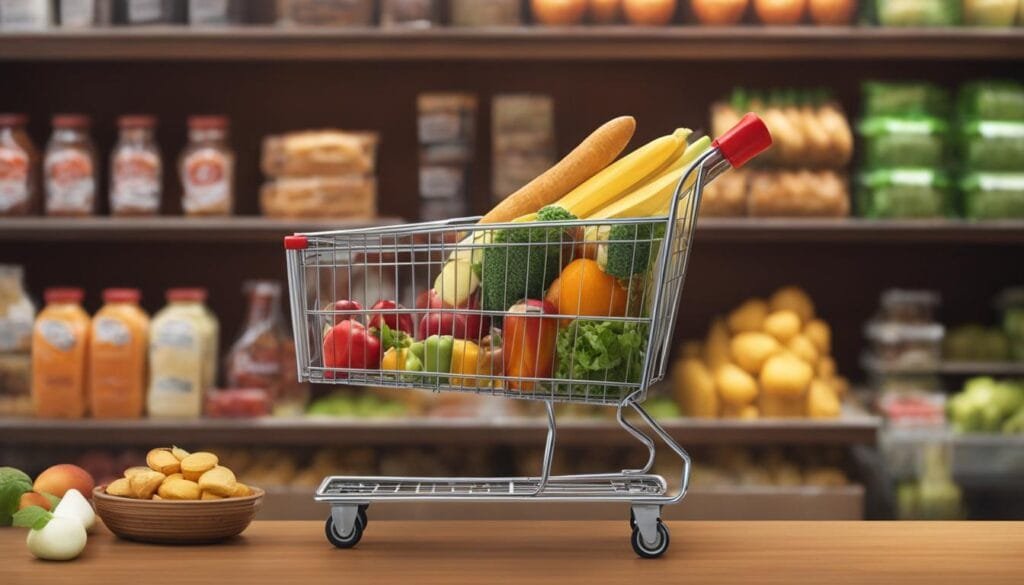
I used to spend $400 a month on groceries and still feel like I had nothing to eat. The fridge would be full of half-used ingredients, wilted vegetables, and that bag of spinach that turns to slime after three days. I’d get to the end of the month, look at my bank account, and wonder where all the money went.
Then I started tracking everything. Not just the total — every item, every price, every category. And I learned something that changed how I think about grocery shopping: I wasn’t spending too much on food. I was spending too much on the wrong food.
Here’s what tracking your grocery spending actually does: it shows you where your money goes, what you waste, and what you’re overpaying for. Most people who track their grocery spending for even one month find they’re spending 20-30% more than they thought, and a lot of that is on things they don’t even eat. A grocery tracker isn’t about restricting yourself — it’s about making sure the money you’re spending is actually feeding you.
Why most grocery budgets fail (and what tracking fixes)
The problem with grocery budgets isn’t that they’re too tight — it’s that they’re vague. “Spend $150 on groceries this week” doesn’t tell you anything. You can hit that number and still waste half of it, or you can hit it and eat like you’re on a diet.
Tracking fixes this because it gives you data. When you write down every item and every price, you start to see patterns. You learn that you’re spending $40 a week on convenience foods you don’t even like. You learn that your “quick dinners” are actually costing you $15 a meal because you’re buying pre-chopped vegetables and single-serving portions. You learn that you buy the same spices every six months even though you have a cabinet full of them.
The USDA tracks food costs and publishes monthly reports on what households actually spend on groceries. The numbers vary by age, location, and family size, but the average household spends about $250-300 per person per month. If you’re spending significantly more than that and you’re not feeding more people, you’re probably overspending. Tracking shows you where.
| What You Track | What You Learn | What Changes |
|---|---|---|
| Every item and price | Where your money actually goes | You stop buying things you don’t eat |
| Weekly totals | Your real spending pattern | You adjust your budget to match reality |
| Wasted food | What you’re throwing away | You buy less of what goes bad |
| Meal cost per serving | What your meals actually cost | You plan cheaper meals without feeling deprived |
| Impulse purchases | What triggers them | You shop with a list and stick to it |
How to actually track your groceries (without going crazy)
Tracking every single item sounds tedious, and it is — at first. But after a week or two, it becomes automatic. Here’s the method I use:
Keep receipts and log everything. Every time you buy groceries, keep the receipt. At the end of the day or week, write down each item and its price. You can use a notebook, a spreadsheet, or an app — whatever you’ll actually use. The point is to have a record.
Categorize by type. Group your purchases into categories: produce, protein, pantry staples, dairy, snacks, beverages, convenience foods. After a month, you’ll see which categories are eating up your budget. For most people, it’s convenience foods and snacks that are the biggest drain, not the basics.
Calculate your weekly and monthly average. Add up your totals at the end of each week. After a month, you’ll have a clear picture of what you’re actually spending. Compare that to what you thought you were spending. The gap is where the money leaks are.
Track waste separately. Each time you throw away food, write down what it was and approximately how much it cost. After a month, add up the waste. Most people are shocked by this number. I was throwing away about $60 a month in food that went bad before I could eat it. That’s $720 a year — a nice vacation, gone.
Note what worked. When you have a week where you spent less and ate better, write down what you did differently. Did you meal plan? Did you stick to a list? Did you cook in bulk? Figure out what works for you and do more of it.
There are apps that automate some of this — Pantry Check, My Pantry Tracker, KitchenPal — but honestly, a simple spreadsheet works fine. The point isn’t the tool, it’s the data.
The actual strategies that cut my grocery spending by 30%
After tracking for three months, I had enough data to make real changes. Here’s what actually worked:
Stop buying convenience foods you don’t even like. I was spending $15-20 a week on pre-packaged snacks — granola bars, chips, cookies — that I bought out of habit. I wasn’t even enjoying them. I cut that to $5 a week and replaced it with fruit, nuts, and homemade snacks. Saved $60 a month, ate better.
Shop your pantry first. Before I make a meal plan, I look at what I already have. I found I was buying pasta every week even though I had eight boxes in the pantry. I was buying spices I already owned. I was buying canned tomatoes when I had a stack of them from a sale. Shopping your pantry first cuts your bill immediately.
Buy seasonal produce. Strawberries in December cost $6 for a small container. Strawberries in June cost $2 for a huge container. The taste is better, too. I started buying fruits and vegetables that were in season, and my produce bill dropped by about 25%. The Seasonal Food Guide shows what’s in season by month — it’s a quick reference.
Learn unit pricing. The price tag shows the total cost, but the shelf tag usually shows the price per ounce or per pound. Compare those, not the total. Sometimes the bigger package is cheaper per unit, but not always. I found that the store brand was often cheaper per ounce than the name brand, even when the name brand was on sale.
Plan meals around sales, not cravings. Check the weekly sales flyer before you plan your meals. If chicken thighs are on sale, plan chicken dishes. If ground beef is on sale, make chili, spaghetti sauce, and beef stew. You’re not giving up variety — you’re just being strategic about it.
Cook in bulk and freeze. When I make soup, I make a huge pot and freeze half. When I cook rice, I cook four cups and freeze it in portions. This sounds like extra work, but it saves time later — I have ready-made meals on days I don’t want to cook. It also prevents me from ordering takeout because I’m too tired to make something. The upfront cost is the same, but I’m not paying the takeout markup.
| Strategy | Time to Implement | Monthly Savings | Difficulty |
|---|---|---|---|
| Cut convenience snacks | Immediate | $60 | Easy |
| Shop pantry first | 5 minutes before shopping | $30-40 | Easy |
| Buy seasonal produce | Planning adjustment | $40-50 | Medium |
| Compare unit prices | 5 extra minutes shopping | $20-30 | Easy |
| Plan around sales | 10 minutes weekly | $50-70 | Medium |
| Cook in bulk | Extra cooking time | $80-100 (less takeout) | Medium |
What about tracking apps?
There are dozens of grocery tracking apps — Pantry Check, USDA FoodKeeper, My Pantry Tracker, KitchenPal, MealBoard. Most of them do the same basic things: track what you have, help you plan meals, create shopping lists, remind you about expiration dates.
I’ve tried a few. They’re fine if you like apps. But here’s what I’ve learned: the app doesn’t matter as much as the habit. If you’re not going to log your purchases, the fanciest app in the world won’t help. If you are going to log them, a notebook works just as well.
That said, apps are good at a few things that notebooks aren’t:
Expiration tracking. If you buy a lot of fresh produce or dairy, an app can remind you when things are about to expire. I’ve thrown away less since I started getting those reminders.
Meal planning templates. Some apps have built-in meal plans or recipe databases that make planning easier. If you struggle with “what’s for dinner,” an app can help.
Shopping list organization. Apps can organize your list by store aisle, which saves time when you’re shopping.
But if you’re on a tight budget, you don’t need to pay for an app. Most of these have free versions, and the free versions usually have everything you need. Don’t spend $10 a month on a premium app to save $50 on groceries — that’s not a great deal.
Common mistakes people make when tracking
Quitting after a week. The first week of tracking is the hardest. You feel like you’re spending too much, or you’re not seeing results. Give it a month. It takes time to see patterns and make changes that stick.
Tracking but not acting. Tracking alone doesn’t save you money. It gives you information. You have to use that information to change your behavior. If you’re tracking but not adjusting your shopping habits, you’re just documenting your overspending.
Being too restrictive. If you cut your grocery budget so much that you’re miserable, you won’t stick to it. Find the balance between saving money and eating food you enjoy. The goal isn’t to spend the least — it’s to spend wisely.
Not accounting for household size. If you’re feeding a family of four, your grocery bill will be higher than if you’re feeding yourself. Don’t compare your spending to someone else’s — compare it to your own past spending and to national averages for your household size.
The bottom line
Tracking your grocery spending isn’t about being cheap — it’s about being intentional. When you know where your money goes, you can make choices that align with your values and your budget. You can stop spending money on things you don’t care about and start spending it on things you do.
I still track my groceries. Not every single item anymore — I’ve built enough habits that I don’t need to. But I check my totals weekly, I plan around sales, and I shop my pantry first. My grocery bill is about 30% lower than it was before I started tracking, and I eat better than I did when I was spending more.
If you want to try it, start with one month. Track everything. See what you learn. Then make one or two changes based on what you found. You don’t have to overthink it — you just have to pay attention.

Dottie writes about the psychology of money — why we make the financial decisions we do, and what our spending habits reveal about how we think. She’s not a financial therapist or certified planner. Everything here is based on experience and research, not professional advice. If your situation is complex, consider talking to a qualified professional.