How Much Save One Year Cut Interest: Impact on Your Financial Growth in 2025
July 26, 2026 · Alexander Whaley
Last month, I realized my high-interest debt was costing me a lot. Every month, I was spending hundreds just on interest payments alone! This got me thinking about how much money people could save in one year if they actively worked to cut their interest costs. Homebuyers can save thousands of dollars over the life of their mortgage when interest rates drop by just 0.25%. Meanwhile, those with credit card debt, auto loans, or personal loans can save hundreds annually by refinancing or negotiating lower rates.

As the Federal Reserve makes decisions about interest rates, it impacts nearly every aspect of our financial lives. High-yield savings accounts might see reduced returns, with the top nationwide rate currently at 5.50% APY. But for borrowers, these rate cuts can lead to significant savings. I’ve found that being proactive about refinancing loans or transferring credit card balances can make a meaningful difference in my yearly expenses.
Key Takeaways
- Interest rate cuts of even 0.25% can save thousands of dollars over the life of a mortgage loan.
- Proactively refinancing loans or negotiating lower rates can reduce annual interest expenses by hundreds of dollars.
- Strategic use of high-yield savings accounts can help maximize returns even when Federal Reserve rates fluctuate.
Understanding Interest Rates
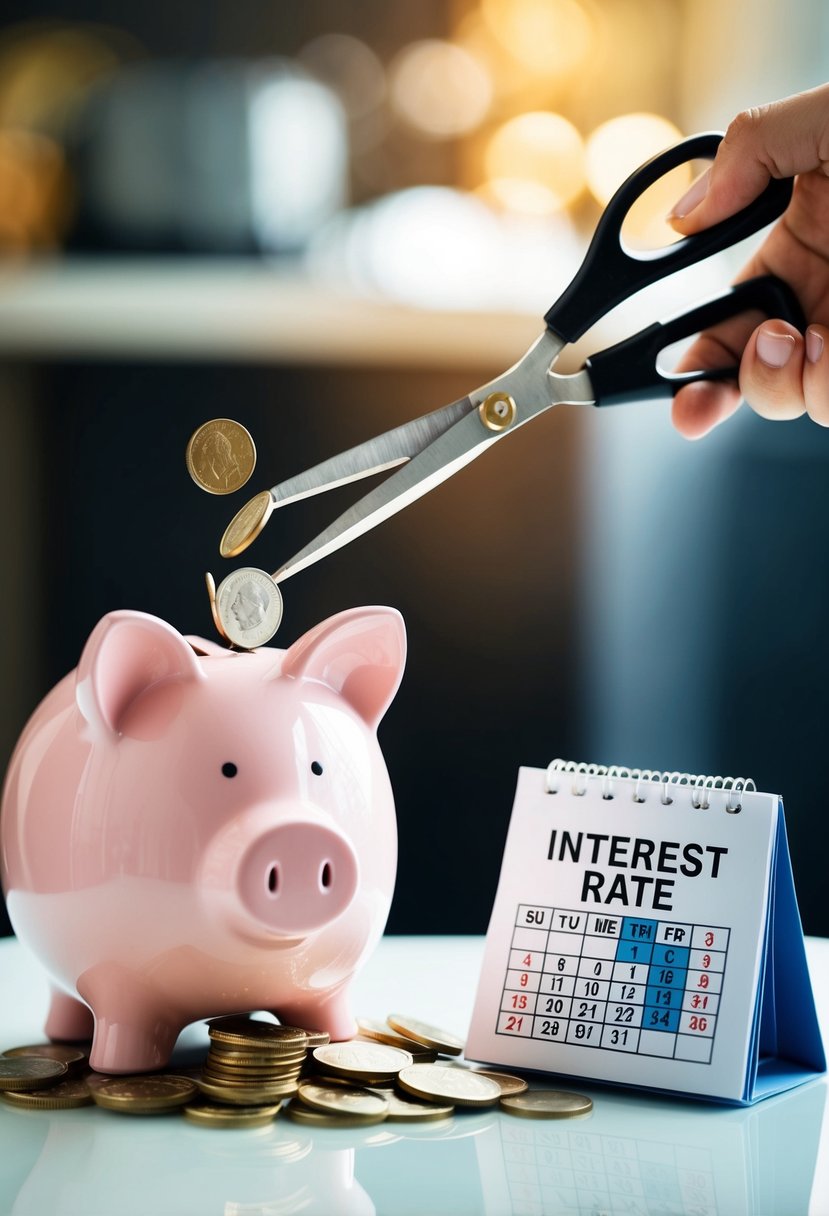
Interest rates affect how much money you save or spend over time. They impact your savings accounts, loans, and the broader economy.
Impact of the Federal Reserve on Interest Rates
The Federal Reserve (Fed) plays a crucial role in setting interest rates in the US economy. When the Fed adjusts the Federal Funds Rate, it creates a ripple effect throughout all other interest rates.
The Fed raises rates to fight inflation when the economy is growing too quickly. When inflation is low and economic growth slows, they typically lower rates to stimulate spending.
For example, when the Fed cut rates in 2023, borrowing money became cheaper for banks, businesses, and consumers. This change was meant to encourage economic activity during uncertain times.
I’ve noticed that even small changes in the Federal Funds Rate can have significant impacts on personal finances. A 0.25% decrease might not sound like much, but it can save thousands on long-term loans.
Interest Rates and Their Effect on the Economy
Interest rates serve as powerful tools for economic management. Higher rates tend to slow economic growth by making borrowing more expensive, which reduces consumer spending and business investment.
Lower interest rates typically stimulate economic growth by making loans cheaper. This encourages consumers to make big purchases like homes and cars.
For investors, interest rate changes affect stock markets significantly. When rates rise, stocks often decline as companies face higher borrowing costs and consumers have less disposable income.
The housing market is particularly sensitive to interest rate changes. Even a 1% increase in mortgage rates can dramatically affect affordability and monthly payments for homebuyers.
Credit card interest rates also fluctuate with Federal Reserve decisions, directly impacting your monthly costs if you carry a balance.
Different Types of Interest Rates
Simple Interest is straightforward – it’s calculated only on the initial amount you deposit or borrow. The formula is: Principal × Rate × Time. For example, if I deposit $10,000 in an account with 1% simple interest, I’ll earn $100 after one year.
Compound Interest is more powerful because it calculates interest on both the principal and previously earned interest. Most savings accounts use this method, helping your money grow faster over time.
Fixed-Rate Loans maintain the same interest rate throughout the loan term. Fixed-rate mortgages provide stability since your payment amount never changes.
Variable or Adjustable Rates change based on market conditions. Products like Adjustable-Rate Mortgages (ARMs) often start with lower rates but may increase later, making them riskier but potentially cheaper in certain situations.
APR (Annual Percentage Rate) represents the yearly cost of a loan including fees and is typically higher than the stated interest rate.
Saving Strategies to Cut Interest Costs
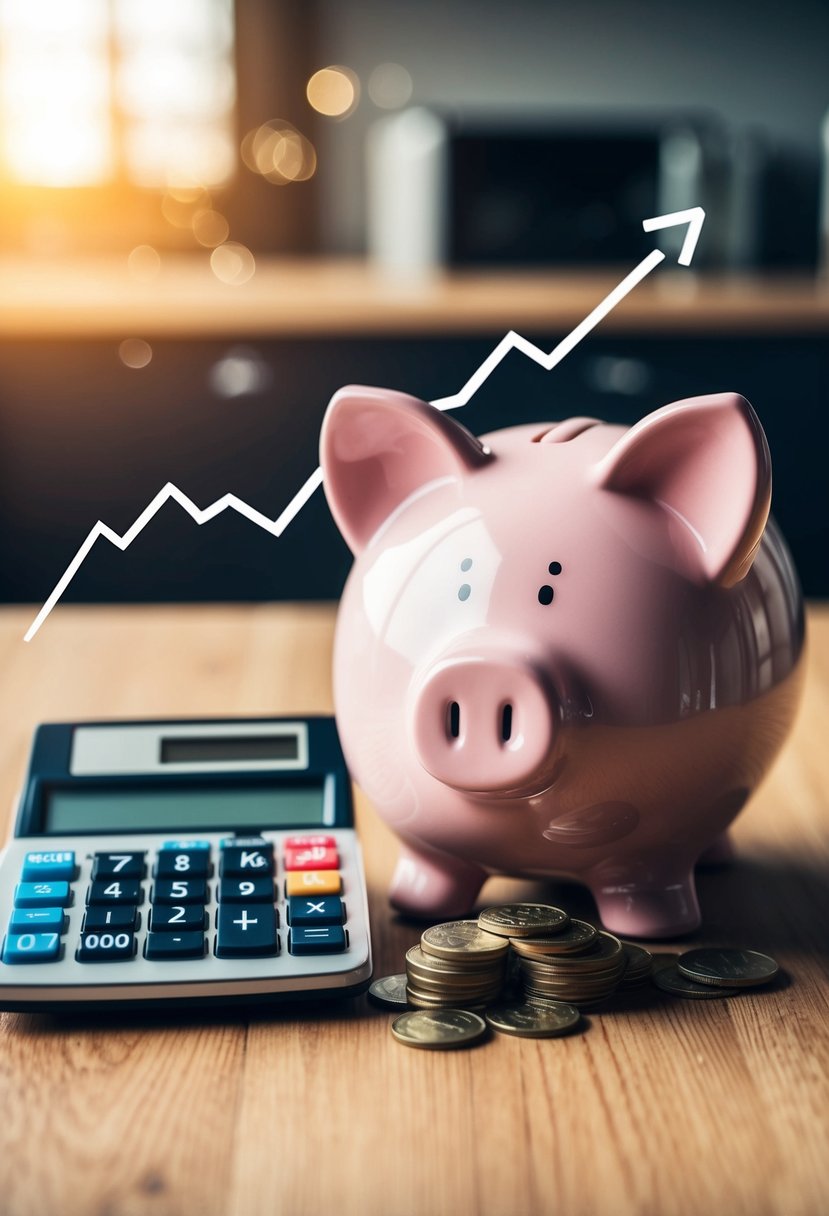
When interest rates drop, smart money moves can help you save thousands of dollars. These strategies focus on both building your safety net and reducing what you pay lenders.
Importance of Emergency Funds
An Emergency Fund is your financial shield against unexpected costs. I recommend saving 3-6 months of essential expenses in an accessible account.
During periods of lower interest rates, I still prioritize building this fund before tackling other financial goals. Without this safety net, you might rely on high-interest credit cards or loans when emergencies strike.
To build your fund efficiently:
- Set up automatic transfers on payday
- Start with a small goal ($1,000) then expand
- Place funds in a high-yield savings account
Even when rates drop, some online banks still offer competitive APYs compared to traditional brick-and-mortar options. Your emergency fund isn’t primarily about earning interest—it’s about having cash when you need it most.
Utilizing Savings Accounts and Certificates of Deposit
When interest rates fall, finding the best places for your money becomes crucial. I recommend shopping for high-yield accounts that still perform well in lower-rate environments.
Traditional Savings Accounts offer easy access but typically provide lower returns. Instead, consider these alternatives:
| Account Type | Accessibility | Typical APY | Best For |
|---|---|---|---|
| High-Yield Savings | Immediate | 3-4% | Regular access needs |
| Money Market Accounts | Good | 3-4.5% | Larger balances |
| Certificates of Deposit | Time-restricted | 4-5% | Funds you won’t need soon |
I suggest a CD ladder strategy during rate cuts. This involves buying multiple Certificates of Deposit with staggered maturity dates, giving you periodic access to funds while locking in better rates.
Remember that online banks typically offer much better APYs than traditional banks, often by 1-2 percentage points.
Refinancing Loans to Lower Interest Rates
When the Fed cuts rates, it creates excellent opportunities to reduce your debt costs through refinancing. I’ve found this particularly effective for mortgages, auto loans, and student loans.
As Miami investment banker Jim Cassel explains, “It pays to refinance and chase it down.” Even a 1% reduction in your interest rate can save thousands over the life of a loan.
Before refinancing, I always consider:
- Closing costs vs. potential savings
- How long I’ll keep the loan
- Current credit score (higher scores get better rates)
For example, refinancing a $300,000 30-year mortgage from 6% to 5% could save about $190 monthly. That’s over $68,000 in savings over the full loan term!
Don’t forget about credit card debt. Balance transfer offers with low introductory rates can provide temporary relief while you pay down high-interest balances.
Optimizing Savings Through Financial Products

When interest rates fluctuate, it’s essential to choose the right financial products to maximize your savings growth. Different savings vehicles offer varying returns, accessibility, and tax advantages that can significantly impact your wealth-building strategy.
Comparing Annual Percentage Yields of Savings Vehicles
The Annual Percentage Yield (APY) is the key metric I use to compare different savings options. APY shows the real return on my money, including compound interest over a year. Currently, traditional savings accounts offer modest APYs of 0.01% to 0.1%, while Money Market Accounts typically provide 2% to 4%.
I’ve found that online banks generally offer more competitive rates than brick-and-mortar institutions due to lower overhead costs. When comparing options, I look beyond the advertised rate to consider:
- Monthly maintenance fees
- Minimum balance requirements
- Withdrawal limitations
- Rate guarantee periods
Some banks offer promotional APYs that drop after an introductory period. I always check if the rate is sustainable long-term before moving my funds.
Maximizing Returns with Certificates of Deposit
Certificates of Deposit (CDs) can be powerful tools for higher guaranteed returns if I’m willing to lock away my money for a set period. CDs typically offer higher APYs than regular savings accounts in exchange for this commitment.
The most effective CD strategies I’ve implemented include:
- CD laddering: Spreading money across multiple CDs with staggered maturity dates
- Bump-up CDs: These allow me to increase my rate once during the term if rates rise
- No-penalty CDs: Providing liquidity without surrender charges if I need my money early
In the current interest rate environment, long-term investment vehicles merit careful consideration. Short-term CDs (3-12 months) offer flexibility while rates are changing, while longer terms (2-5 years) can lock in favorable rates before potential decreases.
High-Interest Savings Accounts vs. Traditional Accounts
High-yield savings accounts have revolutionized how I save money. These accounts, often offered by online banks, provide APYs that can be 10-20 times higher than traditional accounts. The Federal Reserve’s interest rate decisions directly influence these yields.
Key differences I’ve noted between high-yield and traditional accounts:
| Feature | High-Yield Account | Traditional Account |
|---|---|---|
| APY (typical) | 3.0% – 5.0% | 0.01% – 0.1% |
| Access | Online/mobile | Branch + online |
| Fee structure | Usually fee-free | Monthly fees common |
| Min. balance | Often none | Higher requirements |
When rates are falling, I lock in high-yield rates quickly. Many online banks are still offering competitive rates despite recent rate cuts. I make sure my emergency fund and short-term savings are positioned in these higher-yielding accounts.
Tax-Advantaged Investment Options
I leverage tax-advantaged investment options to boost my long-term savings efficiency. These accounts allow me to reduce tax drag on my savings and optimize my investment strategy.
The most powerful tax-advantaged accounts I use include:
- Traditional IRA/401(k): Contributions reduce my current taxable income
- Roth IRA/401(k): Tax-free growth and withdrawals in retirement
- Health Savings Account (HSA): Triple tax advantage for medical expenses
- 529 College Savings Plan: Tax-free growth for education expenses
When interest rates are lower, I put more emphasis on these tax-efficient vehicles. The tax savings effectively boost my return rate beyond what taxable accounts can offer.
I also create a budget plan to ensure I’m maximizing contributions to these accounts. Even during falling rate environments, the tax benefits provide substantial value that shouldn’t be overlooked.
Planning and Goal Setting
Setting clear financial targets helps you save more effectively and reduce interest payments on debt. Good planning means knowing where your money goes and how to direct more of it toward building wealth.
Creating a Budget to Boost Savings
A solid budget is the foundation of any successful savings plan. I recommend using the 50/30/20 rule as a starting point – 50% for needs, 30% for wants, and 20% for savings and debt payment.
First, track all your spending for a month to see your actual habits. Many people are surprised by how much goes toward small, forgettable purchases.
Next, identify areas where you can cut back. Common opportunities include:
- Subscription services you rarely use
- Dining out expenses
- Impulse purchases
- Unused gym memberships
I’ve found that redirecting just 5% more of your income toward savings or debt payment can dramatically reduce interest paid over time, especially on high-interest debt like credit cards.
Setting Realistic Savings Goals
When setting savings goals, I focus on being specific and measurable. Instead of “save more money,” I recommend targets like “save $5,000 for vacation by December.”
Savings goal calculators help determine exactly how much you need to set aside daily, weekly, or monthly to reach your target.
For maximum interest reduction, prioritize goals in this order:
- Emergency fund (3-6 months of expenses)
- High-interest debt payment
- Retirement contributions (especially matched accounts)
- Major purchases (home down payment, vacation)
The most successful savers I know aim to increase their savings rate by 1% each year. If you’re saving 10% now, try for 11% next year.
Tools for Tracking and Increasing Savings
The right tools make consistent saving much easier. I recommend using:
Automatic transfers: Set up automatic transfers to savings accounts on payday before you can spend the money.
Apps and calculators: Use mortgage calculators to see how extra payments reduce total interest paid and shorten loan terms.
Account types: Consider high-yield savings accounts for emergency funds and short-term goals. They typically offer 10-15x the interest of regular savings accounts.
Round-up services: Some banks automatically round purchases to the nearest dollar and deposit the difference into savings.
For tracking progress, I prefer apps that show visual representations of savings growth. Seeing the positive trend helps maintain motivation, especially on longer-term goals.
Frequently Asked Questions
Interest costs can significantly impact your financial health over time. Strategic decisions about payments, loan terms, and refinancing opportunities can make thousands of dollars of difference in what you ultimately pay.
What strategies can effectively reduce my interest payments over time?
I find that making bi-weekly payments instead of monthly payments can substantially reduce interest costs. This approach results in 26 half-payments per year (equal to 13 full payments) rather than 12 standard payments.
Paying more than the minimum required amount directly reduces your principal balance. Even small additional amounts can add up to significant interest savings over the life of a loan.
Consolidating high-interest debts to a lower-rate loan or credit card can also dramatically cut interest expenses. This works especially well when combining multiple credit card balances.
Can making extra payments on my loan principal significantly decrease the interest paid?
Yes, extra principal payments can substantially reduce total interest paid. When I make additional payments, the money goes directly toward reducing the loan balance rather than covering future interest.
This strategy works because interest is calculated based on the remaining principal. Lower principal equals lower interest charges on future payments.
For example, on a 30-year mortgage, making just one extra payment per year could shorten the loan by 4-5 years and save tens of thousands in interest.
How do different amortization periods impact the amount of interest paid?
Shorter loan terms typically mean much less interest paid overall. I’ve found that while monthly payments are higher on shorter-term loans, the total interest savings can be enormous.
For instance, a 15-year mortgage versus a 30-year mortgage might increase monthly payments by 40%, but could reduce total interest paid by more than 50%.
The interest calculation formula shows why: shorter terms mean less time for interest to accrue on the principal amount.
What is the financial benefit of refinancing a loan for a lower interest rate?
Refinancing to a lower rate can produce both immediate and long-term benefits. I can reduce my monthly payment amount while keeping the same loan term.
Alternatively, I could maintain a similar payment but shorten the loan term, saving substantially on total interest paid over time.
A 1% rate reduction on a $300,000 mortgage could save over $100 per month in payments or potentially save tens of thousands in interest over the life of the loan.
How does the initial loan amount affect the total interest cost over a year?
The initial loan amount directly impacts interest costs because interest is calculated as a percentage of the outstanding principal. Larger loans generate proportionally larger interest expenses.
For example, a $10,000 loan at 10% will cost about $1,000 in interest the first year, while a $20,000 loan at the same rate would cost approximately $2,000.
This is why making a larger down payment on major purchases like homes or cars can significantly reduce interest costs over the life of the loan.
What are the long-term savings of maintaining a higher monthly payment on a debt?
Maintaining a higher monthly payment on a debt can lead to two major financial benefits. First, they reduce the principal faster, which means less interest accrues on subsequent payments.
Second, higher payments can dramatically shorten the loan term. For instance, paying just 10% more each month on a 30-year mortgage might shorten it by 3-5 years.
These benefits compound over time, potentially saving tens of thousands of dollars in interest. The savings rates impact makes higher payments an excellent investment when interest rates are elevated.