I Paid Off 10K Of Debt For Less Than Owed: Here’s How Debt Settlement Saved Me Thousands
July 14, 2026 · Alexander Whaley
Facing a mountain of credit card debt, I felt trapped in an endless cycle of minimum payments and growing interest. Then, I discovered a strategy that helped me clear my $10,000 debt for significantly less than what I originally owed. I managed to settle my debt for about 60% of the original balance by negotiating directly with my credit card company and setting up a structured payment plan. This saved me thousands of dollars.

This journey wasn’t without challenges. My credit score took a temporary hit, but the relief of becoming debt-free far outweighed this short-term consequence. Like many Americans struggling with credit card debt, I learned that credit card companies are often willing to work with customers who show genuine effort to pay off their balances.
Key Takeaways
- Direct negotiation with creditors can often lead to settling debt for less than the full amount owed.
- Setting up automatic payments helps maintain consistency and shows creditors your commitment to becoming debt-free.
- Credit card debt settlement may impact your credit score temporarily, but the financial freedom gained is usually worth the trade-off.
Understanding Debt and Its Impact on Your Finances

Debt can significantly affect your financial health, creating both opportunities and challenges. I’ve learned that knowing the types of debt, how interest accumulates, and what protections exist can make a huge difference in managing financial obligations effectively.
Types of Debt: Credit Card and Loans
Credit card debt is typically unsecured debt with high interest rates, often 15-25%. I discovered this makes it one of the most expensive types of debt to carry month-to-month.
Personal loans usually have lower interest rates than credit cards, typically 6-36% depending on your credit score. These loans provide a fixed repayment schedule which helped me plan my budget better.
Mortgage and auto loans are secured debts tied to specific assets. They generally offer the lowest interest rates (3-7%) because the lender can seize the property if payments stop.
Student loans come with unique features like income-based repayment options and possible forgiveness programs. I found these can be either federal (with more protections) or private loans.
How Interest Rates Affect Debt Accumulation
Interest compounds over time, making your original debt grow significantly. With my $10,000 credit card debt at 18% APR, I was paying almost $1,800 yearly just in interest.
Minimum payments mostly cover interest rather than principal. I calculated that making only minimum payments on $10,000 of credit card debt could take over 20 years to pay off completely.
Variable interest rates can change based on market conditions, making your payments unpredictable. Fixed rates provide stability but might start higher than variable rates.
Credit score directly impacts the interest rates you’re offered. By improving my score, I qualified for debt consolidation loans with much lower rates than my credit cards.
The Role of the Consumer Financial Protection Bureau
The Consumer Financial Protection Bureau (CFPB) enforces federal consumer financial laws and protects consumers. I used their resources to understand my rights when negotiating with creditors.
The CFPB provides free tools to submit complaints about financial companies. When a debt collector used questionable tactics with me, filing a CFPB complaint prompted quick resolution.
The bureau’s educational resources helped me learn about debt settlement options. Their website explained how debt forgiveness could save money compared to minimum payments.
CFPB regulations limit how debt collectors can contact you. I learned they can’t call before 8 a.m. or after 9 p.m., and they must stop contacting you if you request it in writing.
Strategies to Reduce Your Debt

When I tackled my $10,000 debt, I discovered several effective approaches that helped me pay less than what I originally owed. These strategies can be tailored to your specific situation and financial goals.
The Snowball vs. Avalanche Method
When I first started my debt payoff journey, I had to choose between two popular approaches. The snowball method focuses on paying off the smallest debts first, regardless of interest rate. I loved the psychological wins this created – each debt I eliminated gave me motivation to continue.
The avalanche method takes a different approach. With this strategy, I targeted the highest interest rate debts first. This mathematically saves more money over time by reducing the total interest paid.
I personally found a hybrid approach worked best. I started with the snowball method to build momentum, then switched to the avalanche approach once I was committed to the process. The key is picking the method that keeps you motivated and consistent with payments.
For my situation, the snowball method helped me eliminate three small credit card balances quickly, which freed up cash to tackle larger debts.
When to Consider Debt Settlement
Debt settlement became my solution when I couldn’t keep up with minimum payments. This approach involves negotiating with creditors to accept a lump sum that’s less than the full amount owed.
I learned this works best when:
- Accounts are already delinquent (3+ months behind)
- You have access to a lump sum (around 50-70% of the debt)
- You’re willing to accept a temporary hit to your credit score
Before pursuing this route, I calculated the pros and cons carefully. My credit score dropped about 100 points initially, but I saved nearly $4,000 on my overall debt.
For accounts in good standing, creditors rarely settle. I found debt settlement most effective for accounts that were already in collections or severely delinquent. Some companies specialize in debt settlement, but they charge fees that can offset your savings.
Negotiating with Creditors
When I called my credit card company, I was surprised by their willingness to work with me. I prepared for the call by:
- Gathering all account information
- Documenting my financial hardship
- Determining what I could realistically pay
I started by contacting my credit card company directly and explaining my situation honestly. Many offered hardship programs with reduced interest rates or waived fees.
For one account, I negotiated a lump-sum settlement of 60% of the balance. The key was being persistent and speaking directly with a supervisor who had more authority to approve settlements.
I always requested written confirmation of any agreement before sending payment. This protected me from future collection attempts on the settled portion of the debt.
Utilizing Balance Transfer Cards
Balance transfer cards became my secret weapon for high-interest debt. I transferred $5,000 from a card with 24% interest to one offering 0% for 18 months.
The process requires:
- Good to excellent credit (usually 680+ score)
- Attention to transfer fees (typically 3-5% of the amount)
- A solid plan to pay off the debt during the promotional period
I saved approximately $1,200 in interest through this method. The most important step was setting up automatic payments to ensure I never missed a deadline.
To maximize this strategy, I stopped using the card for new purchases. This prevented mixing new debt with the transferred balance and helped me focus exclusively on debt reduction.
Tools for Managing and Consolidating Debt
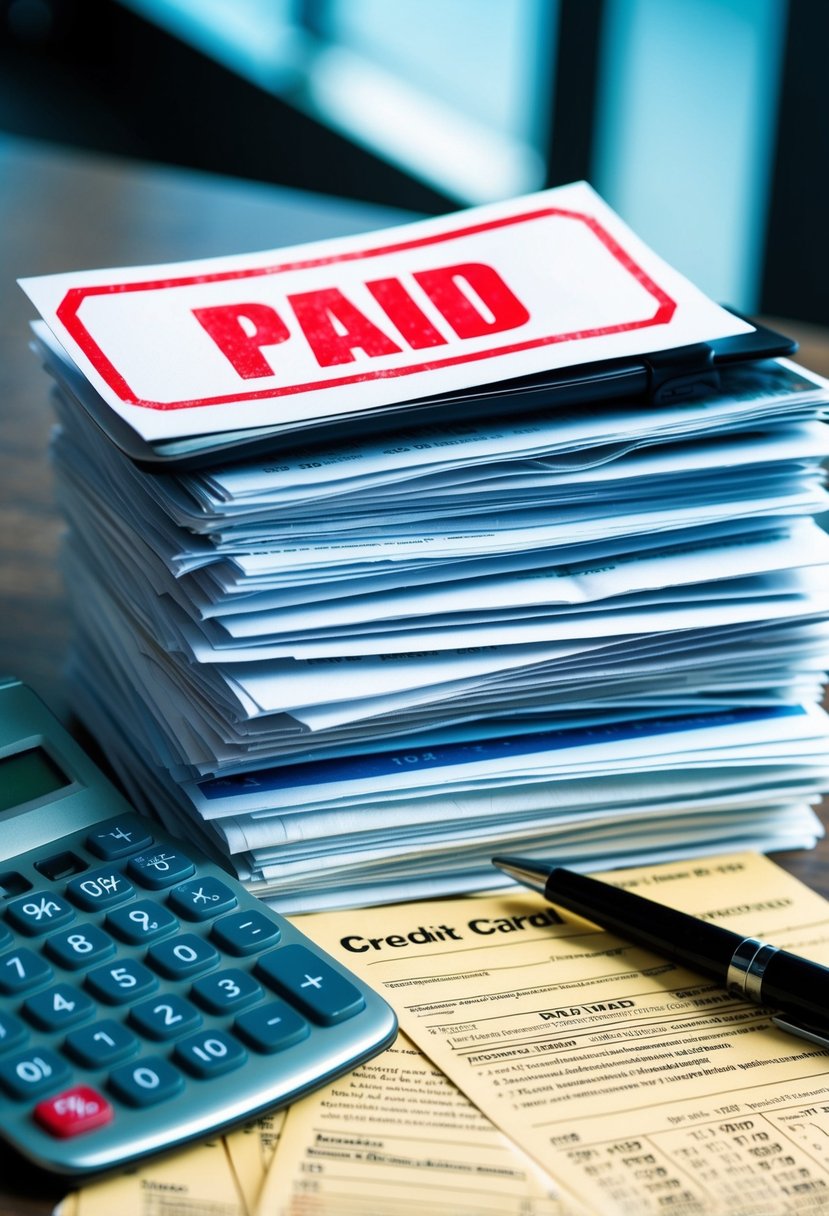
I discovered several effective tools that helped me tackle my debt situation. These approaches not only simplified my payment process but also reduced the total amount I needed to repay.
Budgeting to Pay Down Debt
Creating a detailed budget was my first step toward debt freedom. I tracked every dollar coming in and going out using free apps like Mint and YNAB (You Need A Budget). This helped me identify unnecessary spending and redirect those funds to debt payments.
I used the “cash envelope” system for variable expenses like groceries and entertainment. This prevented overspending in these categories. For fixed bills, I set up calendar reminders to avoid late fees.
The 50/30/20 rule worked well for me:
- 50% for needs (housing, utilities)
- 30% for wants (dining out, subscriptions)
- 20% for debt repayment and savings
I found that increasing my income through side gigs and selling unused items accelerated my progress dramatically. Every extra dollar went straight to my highest-interest debt.
Consolidation Loans: What to Know
Debt consolidation loans helped me combine multiple debts into one manageable payment. I shopped around for the best interest rates and loan terms, comparing offers from credit unions, banks, and online lenders.
Key factors I considered before consolidating:
- Interest rate – needed to be lower than my current rates
- Loan fees – origination fees can add 1-8% to costs
- Repayment terms – longer terms mean lower payments but more interest
My credit score improved after consolidation because my credit utilization ratio dropped. This snowball effect made future borrowing cheaper for me.
I avoided loans with prepayment penalties and made sure the math worked out – calculating how much I could save before committing.
Home Equity as a Debt Solution
Using home equity was a powerful but cautious approach in my debt payoff journey. I explored both home equity loans (fixed amount, fixed rate) and home equity lines of credit (HELOC) which work like credit cards.
The major benefit was the significantly lower interest rate compared to credit cards – sometimes 15-20% lower. This saved me thousands in interest payments over time.
Important considerations I weighed:
- Risk level: My home became collateral
- Tax implications: Interest might be tax-deductible (I consulted my tax advisor)
- Closing costs: These reduced my overall savings
I maintained discipline after accessing this money and didn’t rack up new debt. The temptation to spend freely after consolidating was real, but I stuck to my budget religiously.
Setting Realistic Financial Goals
I’ve learned that setting clear financial goals prevents sliding back into debt. My approach is simple: I create SMART goals—Specific, Measurable, Achievable, Relevant, and Time-bound.
Short-term goals might include:
- Building a $1,000 emergency fund in 3 months
- Saving $200 monthly for holiday expenses
- Paying for car repairs in cash
For long-term planning, I focus on:
- Retirement contributions (at least 15% of income)
- Home down payment savings
- Education funds if applicable
I review my goals quarterly to stay on track. When unexpected money comes in (tax refunds, bonuses), I allocate 80% toward goals and 20% for enjoyment. This balance keeps me motivated without feeling deprived.
The Importance of Credit Counseling
Even after becoming debt-free, I still consult with credit counselors periodically. These professionals provide valuable insights I might miss on my own.
My credit counselor helped me:
- Understand my credit report and identify errors
- Develop strategies to improve my credit score
- Create a sustainable budget aligned with my values
Many nonprofit organizations offer free or low-cost counseling services. I schedule a session every 6-12 months as a “financial checkup.”
The accountability factor matters tremendously. Having someone review my progress keeps me honest about my spending habits and helps me avoid common pitfalls that could lead back to debt.
Navy Federal and Other Resources
I’ve found that financial institutions like Navy Federal offer excellent resources for maintaining financial health. Their debt management tools and educational materials guide my decisions.
Resources I regularly use include:
- Free budgeting apps that sync with my accounts
- Automatic savings features that transfer money before I can spend it
- Low-fee checking accounts that don’t drain my resources
I always pay more than the minimum on any necessary debts like mortgages. This strategy, which I learned from debt paydown experts, saves thousands in interest over time.
Many banks offer financial wellness programs with personalized advice. I take advantage of these complimentary services and regularly attend workshops to expand my knowledge. Staying informed about personal finance is my ongoing commitment.
Frequently Asked Questions
Dealing with substantial debt often raises important questions about negotiation tactics, consolidation options, and effective repayment strategies. I’ve compiled answers to common questions that helped me in my debt payoff journey.
What strategies can I use to negotiate a debt settlement for less than I owe?
Contact your creditors directly and explain your financial hardship. I found that being honest about my situation opened doors to negotiation.
Ask to speak with someone who has authority to approve settlements. Sometimes regular customer service representatives don’t have this power.
Offer a lump-sum payment if possible. I discovered creditors are often more willing to settle for less when they can get immediate payment rather than extended payment plans.
Get everything in writing before making any payments. This protects you and ensures the creditor follows through with their agreement to consider the debt satisfied.
Are debt consolidation loans a wise choice for paying off $10,000 in debt?
Debt consolidation can be effective if you qualify for a lower interest rate than your current debts. I compared rates carefully before deciding.
Consider the total cost over the life of the loan, not just the monthly payment. A longer term might mean lower payments but more interest paid overall.
Avoid consolidation if you haven’t addressed the spending habits that created the debt. In my experience, consolidation only works when coupled with budget changes.
Look for loans with no prepayment penalties so you can pay extra when possible. This flexibility helped me pay off my consolidation loan faster than scheduled.
What is the impact on my credit score if I settle a debt for less than the full amount?
Debt settlement typically affects your credit score negatively. In my case, I saw a temporary drop of about 70 points.
The settled account usually appears on your credit report as “settled” or “paid settled” rather than “paid in full” for seven years.
The impact decreases over time, especially if you maintain other accounts in good standing. My score began recovering within six months.
Tax consequences may also arise, as forgiven debt over $600 is often reported as income. I had to include this on my tax return the following year.
How can I create a plan to pay off a large amount of debt with a low income?
Track all expenses meticulously to find areas to cut back. I found $340 monthly in unnecessary spending this way.
Consider increasing income through side gigs or part-time work. I dedicated all additional earnings directly to debt repayment.
Use the debt snowball method (paying smallest debts first) or avalanche method (highest interest first). I chose snowball for the psychological wins.
Set up automatic payments to ensure consistent progress. This removed the temptation to skip payments when money felt tight.
How can I use a debt payoff calculator to manage my $10,000 debt more effectively?
Enter accurate information including all account balances, interest rates, and minimum payments. I updated these numbers monthly.
Compare different payoff strategies using the calculator. I was surprised to see that paying just $50 extra each month cut my payoff time by 18 months.
Use calculators to visualize the impact of windfalls like tax refunds or bonuses. Seeing the numbers motivated me to apply these funds to debt.
Revisit the calculator regularly to stay motivated by your progress. Watching my projected payoff date move closer kept me focused.
What steps should I take to pay off credit card debt quickly and efficiently?
First, create a solid emergency fund to prevent adding new debt when unexpected expenses arise. I saved $1,000 before accelerating debt payments.
Next, cut up cards or freeze them to prevent adding new charges. I kept one card for emergencies but removed all others from my wallet.
After that, negotiate lower interest rates by calling your credit card companies. I successfully reduced rates on two of my four cards simply by asking.
You should also consider balance transfers to 0% APR cards if your credit score allows. I saved over $800 in interest during a 15-month promotional period.