Walmart Shoppers Not Need Credit Cards Anymore: Are Bank Account Transfers Better for Simplified Checkout in 2025
August 24, 2026 · Alexander Whaley
The days of fumbling for my credit card at the Walmart checkout may soon be over. Starting in 2025, Walmart will introduce a new payment option that allows shoppers to pay directly from their bank accounts using instant transfer services like TCH RTP and FedNow.
Bank account transfers offer a secure payment method that could potentially save both consumers and retailers money by bypassing credit card processing fees.

I’ve noticed how payment options have evolved over the years, from cash to cards and now to digital solutions. This move by Walmart represents another step in that evolution.
The bank transfer option uses encryption to protect against fraud, making it a safe alternative to traditional credit cards.
Key Takeaways
- Walmart will implement direct bank account transfers in 2025, offering shoppers a secure alternative to credit cards.
- Bank transfers use encryption technology to protect consumer information and reduce the risk of payment fraud.
- The new payment system could help shoppers avoid credit card debt while potentially offering financial benefits similar to rewards programs.
The Shift from Credit Cards to Bank Account Transfers
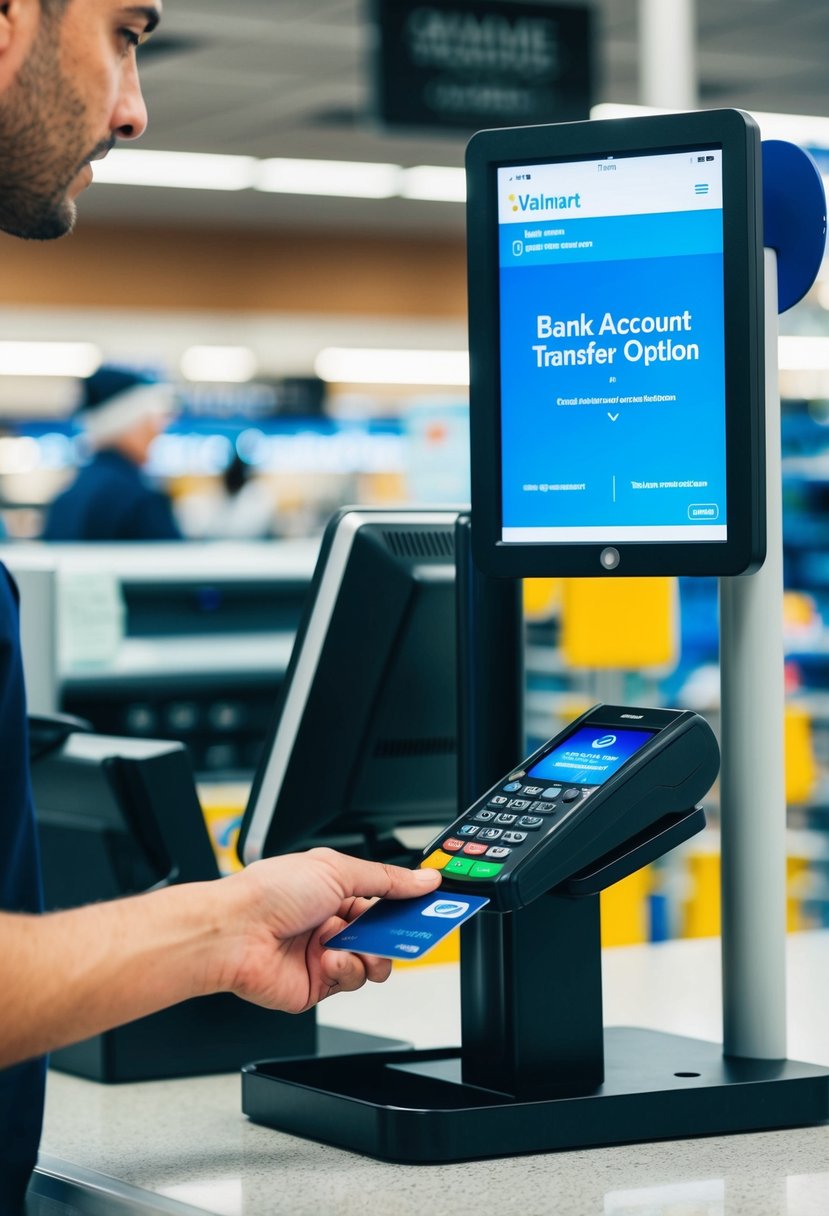
Banking technology has evolved to give shoppers more payment choices at checkout. Credit cards are facing new competition from direct bank transfers that offer simplicity and reduced fees.
The Decline of Credit Card Dominance
Credit cards have long been the go-to payment method for many shoppers. I’ve noticed that while credit cards offer rewards and purchase protection, they come with significant downsides.
High interest rates often trap consumers in debt cycles. Many retailers, including large ones like Walmart, pay substantial processing fees—typically 1.5% to 3.5% per transaction.
These fees cut into profit margins, ultimately affecting prices for customers. Credit card usage has also created concerns about consumer debt. The average American household carries over $7,000 in credit card debt, leading many retailers to explore alternatives that benefit both their business and customers’ financial health.
The landscape is shifting as new payment technologies emerge to address these issues.
Advantages of Bank Account Transfers
Bank account transfers offer several benefits over traditional credit cards. They’re safe and protected by encryption to reduce fraud risk. I find this security feature particularly important when shopping at large retailers.
These transfers eliminate the middleman, connecting shoppers directly to their checking accounts. This means no interest charges or annual fees that typically come with credit cards.
For financially savvy consumers, bank transfers provide better spending control. You can only spend what’s in your account, preventing debt accumulation. This pay-as-you-go approach promotes healthier financial habits.
Retailers benefit too, as bank transfers typically have lower processing fees than credit cards. These savings could potentially be passed on to customers through lower prices or better promotions.
Walmart’s Adoption of Instant Bank Transfers
Walmart is leading the retail industry by introducing a “Pay by Bank” service that will allow customers to pay directly from their bank accounts. I’ve learned this system will use both TCH RTP and FedNow networks for instant transfers beginning in 2025.
This payment option represents a strategic move by Walmart to reduce transaction costs while offering customers a convenient alternative to credit cards. By implementing this technology, Walmart could save millions in payment processing fees annually.
The system works by connecting to a customer’s checking account through secure authentication. When making a purchase, funds transfer instantly without needing a physical card. Walmart’s scale means this adoption could significantly influence how other retailers approach payment options.
For regular Walmart shoppers, this fiscally smart payment option provides another way to manage spending while enjoying seamless checkout experiences.
Redefining Consumer Payment Experience
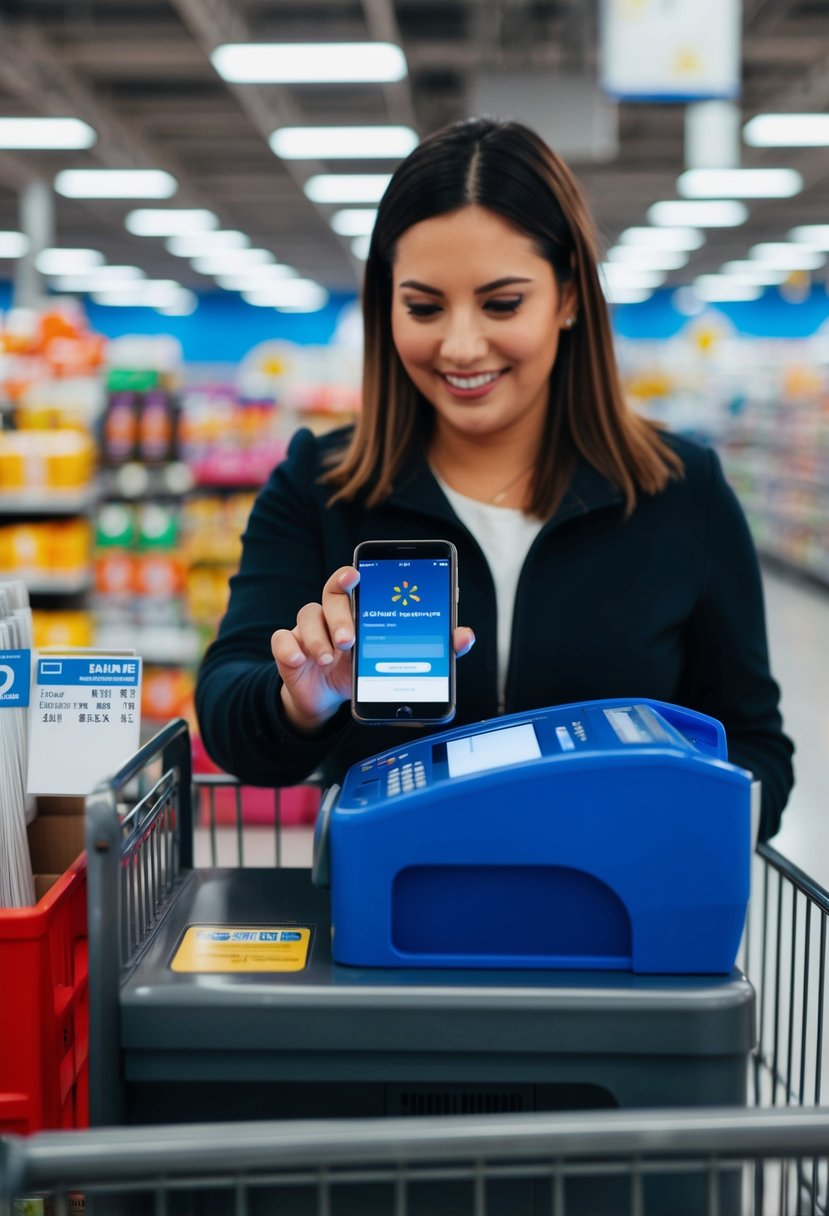
The way we shop at Walmart is changing dramatically with new payment technologies. These innovations prioritize simplicity while maintaining strong security standards for today’s consumers.
Walmart Pay and Mobile Options
Walmart Pay has transformed how I complete transactions at checkout. Instead of pulling out a credit card, I can simply scan a QR code with my smartphone to pay instantly. This digital wallet integration works through the Walmart app, which stores my payment information securely.
In 2025, Walmart will expand these options with direct bank account transfers. This means I won’t need to carry physical cards or worry about credit limits.
The app also offers features like:
- Digital receipts sent directly to my phone
- Easy returns through digital purchase history
- Special promotions only available to app users
These mobile options make checkout faster and reduce the need for traditional payment methods.
Enhanced Security Through Encryption
Security remains a top priority with Walmart’s new payment systems. Advanced encryption protects my financial information when I use Pay by Bank services.
Unlike credit cards that can be physically stolen, these digital transactions use tokenization. This means my actual bank information is never shared during the purchase process.
When I pay through the Walmart system, each transaction creates a unique code that becomes invalid after use. This significantly reduces fraud risk compared to traditional credit cards.
Two-factor authentication adds another layer of protection. I must verify my identity through my banking app before completing larger purchases, giving me greater peace of mind about transaction security.
Convenience and Speed with ACH and Fiserv
The upcoming direct bank payment system will use Automated Clearing House (ACH) technology and partnerships with companies like Fiserv to process transactions instantly.
I’ll experience virtually no delay between making a purchase and the payment clearing. This is a significant improvement over traditional ACH transfers that often take 1-3 business days.
When shopping online at Walmart.com, I’ll be able to select “Pay by Bank” and authorize the transaction through my banking app. The system will verify funds immediately and complete the purchase without manual entry of card details.
This streamlined process eliminates several steps:
- No need to update expired card information
- No risk of hitting credit limits
- Immediate confirmation of successful payment
For Walmart, this system reduces processing fees typically paid to credit card networks, potentially leading to lower prices for consumers.
Financial Benefits and Rewards for Shoppers
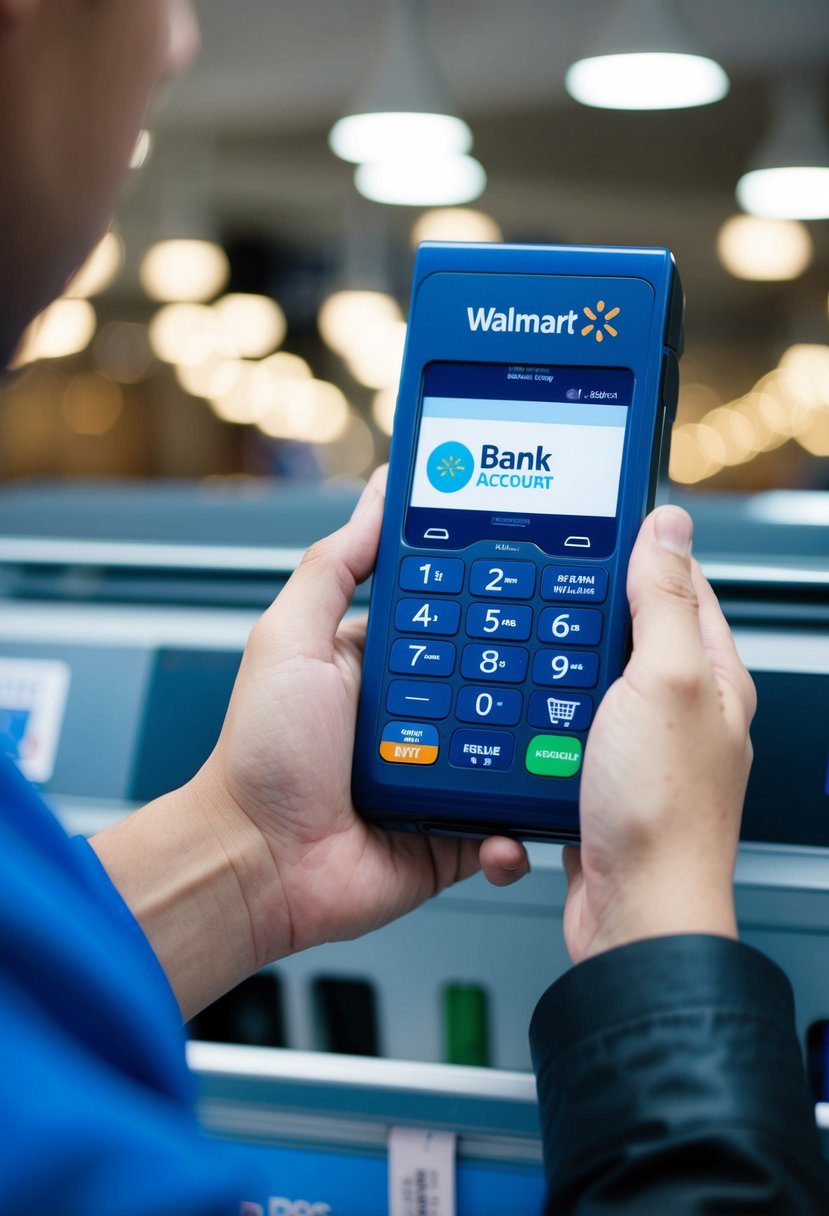
Shoppers face a choice between traditional credit card rewards and new bank transfer options at Walmart. The financial benefits of each payment method can significantly impact your bottom line when shopping regularly.
Understanding Cash Back and Rewards Cards
Credit cards have long been the go-to for earning rewards on purchases. Many rewards cards offer 6% cash back in certain spending categories, including some that classify Walmart as an everyday category.
I’ve found that some premium cards provide a $250 bonus after spending a certain amount in the first few months. This immediate value can be appealing for new cardholders.
Most credit card companies maintain a Rewards Center where you can track and redeem points. Your rewards typically appear as a statement credit or can be transferred to partner programs.
Cards that offer bonus cash back on groceries and streaming services can be particularly valuable for regular Walmart shoppers. However, these benefits come with a cost – interest rates that may erase your rewards if you carry a balance.
How Bank Account Transfers Can Offer Better Value
Walmart’s new pay-by-bank system will allow payments directly from your bank account starting in 2025. This system offers distinct advantages over traditional rewards cards.
The most significant benefit is avoiding credit card processing fees. Walmart may pass these savings to customers through discounts or a new rewards program specifically for bank transfer users.
Unlike credit cards that can lead to debt, pay-by-bank transfers use money you already have. This helps prevent overspending and interest charges that often negate cash rewards benefits.
Bank transfers through services like TCH RTP and FedNow provide instant payment confirmation. I expect Walmart might introduce special promotions to encourage adoption of this payment method, potentially offering better value than traditional card rewards.
For budget-conscious shoppers, the transparency of direct bank payments can be worth more than card rewards that sometimes entice unnecessary spending.
Implications for Personal Finance and Wealth Management
Walmart’s new “Pay by Bank” service changes how we manage our money day-to-day. This direct bank transfer option affects our credit scores, fee structures, and how we interact with financial service providers.
Impact on Credit Score and Interest Payments
When I use pay-by-bank transfers instead of credit cards, I don’t build credit history. This matters because credit scores affect loan approvals and interest rates for major purchases like cars and homes.
Credit cards help build credit when used responsibly. With direct bank transfers, I miss this benefit entirely.
However, I also avoid credit card interest charges, which can reach 20% or higher. For shoppers who carry balances, this represents significant savings.
The Federal Reserve reports that Americans owe over $1 trillion in credit card debt. By using bank transfers, I can avoid contributing to that statistic.
For optimal financial health, I might consider a balanced approach: using credit cards strategically for credit-building while using bank transfers for everyday purchases.
Navigating Fees: From Overdraft to Hidden Charges
With direct bank transfers, I avoid credit card processing fees that merchants typically pay. Walmart’s incentive to offer this payment method is clear – they save on these transaction costs.
But I need to watch my checking account balance carefully. Overdraft fees can be steep ($35 on average), potentially higher than credit card late fees.
Common Fee Comparison:
| Fee Type | Credit Card | Bank Transfer |
|---|---|---|
| Late payment | $25-$40 | N/A |
| Overdraft | N/A | $25-$40 |
| Interest | 16-24% APR | 0% |
| Annual fee | $0-$550 | $0 |
Hidden fees may still exist with bank transfers. I should check if my bank charges for external transfers or maintains minimum balance requirements.
Some banks offer overdraft protection by linking to savings accounts. I can set this up to prevent expensive fees.
The Role of Customer Service in Financial Decisions
When payment problems arise, I need effective customer service. With direct bank payments, disputes involve both Walmart and my bank, potentially complicating resolution.
Credit cards offer strong fraud protection guarantees. With bank transfers, I may have fewer protections against unauthorized transactions.
I should consider response times when choosing payment methods. Credit card companies typically offer 24/7 support, while some banks have limited hours.
Online retailers with direct bank payments need robust security measures. Before using this option, I should verify Walmart’s security protocols for protecting my banking information.
Frequently Asked Questions
Walmart’s new payment options are changing how customers shop. These changes include direct bank transfers and other alternatives to traditional credit cards that might save you money and time.
How can customers make payments at Walmart without a credit card?
Customers can pay at Walmart using instant bank transfers directly from their checking accounts. This new system will be available both online and in stores.
You can also use cash, debit cards, Walmart gift cards, or mobile payment options like Apple Pay in many locations.
The upcoming pay-by-bank feature will use both TCH RTP and FedNow systems starting in 2025, making transfers instant.
What are the benefits of using bank account transfers for shopping at Walmart?
The biggest benefit is avoiding credit card processing fees, which can save you money on purchases. Bank transfers also process instantly, so there’s no waiting for payments to clear.
I find that direct transfers can help prevent debt since you’re only spending money you already have in your account.
These transfers also provide a streamlined checkout experience with potentially fewer steps than credit card transactions.
What alternative payment methods has Walmart recently introduced?
Walmart has introduced direct bank account transfers that bypass traditional card networks entirely. This system allows for immediate payment processing.
The retailer has also expanded contactless payment options in response to changing customer preferences.
Walmart Pay, the company’s mobile payment app, continues to receive updates to improve functionality and security for shoppers.
Are there any incentives for using bank transfers over credit cards at Walmart?
Walmart may offer special discounts or promotions for customers who use the new bank transfer payment method. These incentives could include percentage discounts on purchases.
Some transactions might have lower fees or no fees at all when using direct bank transfers instead of credit cards.
The company could also introduce a loyalty program specifically for bank transfer users to encourage adoption of this payment method.
How does Walmart’s new payment system affect its credit card partnerships?
Walmart’s move toward bank transfers is reducing reliance on traditional card networks, potentially changing its relationships with credit card companies.
This shift might lead to renegotiated terms with existing credit card partners as payment volumes through those channels decrease.
Walmart will maintain credit card options for customers who prefer them, but may emphasize the benefits of alternative payment methods.
What steps does a customer need to take to use bank transfers at Walmart?
First, you’ll need to link your bank account to Walmart’s payment system through their app or website. This typically requires your bank account number and routing information.
When shopping online, you’ll select the “pay by bank” option at checkout and confirm the payment through a secure authentication process.
For in-store purchases, you’ll likely use the Walmart app to generate a QR code. This code can be scanned at the register to initiate the bank transfer.